




When construction worker Tom Rodriguez saw his coworker collapse from cardiac arrest, he didn’t hesitate despite lacking formal CPR certification. His high school health class from fifteen years earlier had covered the basics, and he immediately began chest compressions. Tom’s quick action kept blood circulating until paramedics arrived, ultimately saving his coworker’s life. His experience illustrates an important truth: you don’t need certification to perform CPR in an emergency, but proper training significantly improves effectiveness.
Legal Framework and Good Samaritan Protection
Good Samaritan Laws: Every U.S. state has Good Samaritan legislation protecting individuals who provide emergency care without expectation of compensation. These laws shield rescuers from liability when they act reasonably and within their training level, even without formal certification.
Scope of Protection: Legal protection typically covers actions taken in good faith during true emergencies. The key requirement is acting within reasonable care standards – attempting CPR using techniques you believe are correct, even if imperfect.
Duty to Act: Most states don’t require bystanders to provide emergency care, but some professions carry legal obligations. Off-duty healthcare workers, for example, may face ethical expectations to assist during emergencies.
Abandonment Concerns: Once you begin CPR, legal principles generally require continuing until professional help arrives, the person recovers, or you become unable to continue safely.
Effectiveness of Untrained CPR
Research reveals surprising insights about untrained bystander CPR:
Survival Impact: The American Heart Association reports that any CPR attempt doubles or triples survival chances compared to no intervention. Even imperfect technique provides crucial circulation support.
Compression Quality: Studies show untrained individuals can achieve adequate compression depth and rate when guided by 911 dispatchers, though consistency often suffers without proper training.
Hesitation Factor: Lack of training creates hesitation that delays response. Certified individuals begin CPR faster and maintain more consistent technique throughout the emergency.
Professional vs. Bystander Expectations
Different standards apply based on your background and role:
Healthcare Workers: Medical professionals face higher expectations and potential liability due to their training. Even off-duty, they’re expected to provide care consistent with their education level.
Workplace Responders: Employees designated as workplace first responders may face increased liability if they fail to act or provide substandard care during work-related emergencies.
General Public: Ordinary citizens receive maximum Good Samaritan protection when attempting CPR, recognizing their lack of formal training and good intentions.
Dispatcher-Assisted CPR
Emergency dispatch systems now provide real-time CPR guidance:
Telephone Instructions: 911 operators walk callers through CPR steps, improving technique and confidence. This support system bridges the gap between trained and untrained responders.
Compression-Only CPR: Dispatchers often recommend hands-only CPR for untrained callers, eliminating rescue breathing concerns while maintaining circulation support.
Quality Coaching: Dispatchers provide feedback on compression rate and depth, helping untrained individuals maintain effective technique throughout the emergency.
Training vs. Certification Distinction
Understanding the difference between training and certification clarifies legal and practical considerations:
Informal Training: Many people learn CPR basics through workplace demonstrations, community presentations, or online videos without receiving official certification. This knowledge can be life-saving despite lacking formal credentials.
Expired Certification: Individuals with lapsed CPR certification training retain knowledge and muscle memory. Good Samaritan laws protect them when using previously learned skills during emergencies.
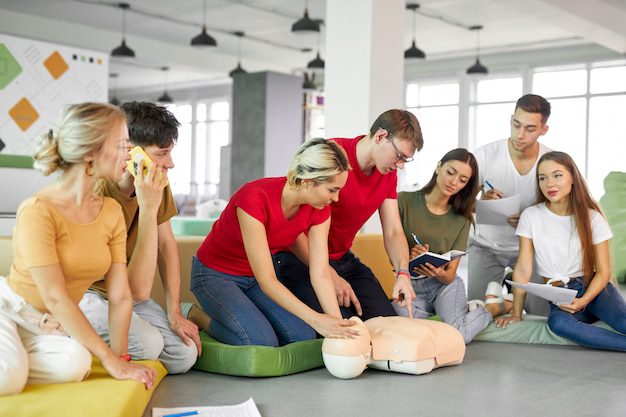
Self-Study Learning: Online resources and instructional videos can provide valuable CPR knowledge, though hands-on practice with mannequins improves technique significantly.
Workplace Considerations
Employment settings may create different expectations and protections:
Designated Responders: Some workplaces designate specific employees as first responders without requiring certification. These individuals receive basic training but may lack formal credentials.
Employer Liability: Companies providing CPR training create reasonable expectations for employee response. However, Good Samaritan protections typically shield both employees and employers during emergency responses.
Insurance Implications: Some workplace insurance policies require certified responders for full coverage. Uncertified employee responses may still be protected but could affect claim processing.
Quality and Effectiveness Factors
Several factors influence CPR success regardless of certification status:
Immediate Response: Quick action matters more than perfect technique. Delays waiting for certified responders can be fatal when immediate CPR could maintain circulation.
Physical Capability: Effective CPR requires significant physical strength and endurance. Smaller individuals or those with physical limitations may struggle regardless of training level.
Environmental Challenges: Difficult locations, poor lighting, or dangerous conditions affect CPR quality for both certified and uncertified responders.
Psychological Preparedness: Certification builds confidence, but some individuals handle emergencies well naturally while others struggle despite training.
When to Attempt CPR
Clear guidelines help determine when untrained individuals should attempt CPR:
Obvious Cardiac Arrest: Unresponsive person without normal breathing warrants immediate CPR attempts, even without certification.
No Other Help Available: When certified responders aren’t present, untrained CPR provides the victim’s best survival chance.
Safe Environment: Only attempt CPR when the scene is safe for both you and the victim. Don’t create additional casualties.
911 Guidance Available: If possible, maintain phone contact with emergency dispatch for real-time instruction and support.
Building Skills Without Certification
Several approaches can improve your CPR capability without formal certification:
Community Demonstrations: Many organizations provide free CPR demonstrations at health fairs, community events, and workplace safety presentations.
Online Resources: Reputable websites and videos from organizations like the American Heart Association provide accurate technique information.
Practice Opportunities: Some community centers, schools, or gyms have CPR mannequins available for practice sessions.
Basic Training: Short training sessions, even without certification, significantly improve technique and confidence compared to no training at all.
Limitations of Uncertified Response
Recognizing limitations helps set realistic expectations:
Technique Accuracy: Proper hand placement, compression depth, and rate are difficult to master without hands-on instruction and feedback.
Recognition Skills: Trained individuals better recognize when CPR is appropriate versus other emergency responses.
Team Coordination: Certified responders learn team CPR techniques for multiple-rescuer scenarios, improving overall effectiveness.
Equipment Use: AED training essentials are typically not covered in informal CPR education, limiting response options when automated defibrillators are available.
Integration with Emergency Response
CPR attempts work best when coordinated with broader emergency response:
Early 911 Activation: Call for professional help immediately, even before beginning CPR attempts. This ensures advanced care arrives quickly.
Emergency Response Training Principles: Basic emergency response concepts enhance CPR effectiveness, even without formal certification.
Scene Management: Understanding basic scene safety and crowd control improves conditions for CPR attempts.
You can legally and effectively perform CPR without certification, and doing so may save a life when no other help is available. Good Samaritan laws protect well-intentioned responders, while dispatcher guidance can improve technique in real-time. However, proper first aid training courses that include CPR significantly improve your effectiveness and confidence during these critical moments. The best approach is learning CPR skills before you need them, whether through formal certification or informal training opportunities. When cardiac arrest occurs, any CPR attempt is better than none – your willingness to help could mean the difference between life and death.
Comments are closed