




When 67-year-old Margaret Thompson decided to learn first aid after her husband’s heart attack, she worried that her age and lack of medical background would make training too difficult. Three months later, she successfully used her new skills to help a neighbor who had fallen and broken her wrist. Margaret’s experience demonstrates that effective first aid training is designed to be accessible to virtually anyone, regardless of age, background, or previous experience.
Universal Accessibility of First Aid Training
Modern first aid education has evolved to accommodate diverse learners with varying abilities, backgrounds, and learning styles:
Age Considerations: First aid training is available for participants from elementary school age through senior years. Programs adapt content and techniques for different age groups, ensuring age-appropriate learning and application.
Physical Limitations: Training programs accommodate participants with physical disabilities, modifying techniques while maintaining effectiveness. Instructors work with individuals to find approaches that match their capabilities.
Educational Backgrounds: First aid doesn’t require medical knowledge or higher education. Programs use plain language and hands-on demonstrations to teach essential skills to participants with all education levels.
Language Barriers: Many training organizations offer multilingual instruction or materials, making first aid accessible to non-English speakers through translators or specialized programs.
Learning Approaches and Accommodations
Quality first aid training providers use multiple teaching methods to reach diverse learners:
Visual Learning: Demonstrations, videos, and illustrated materials help visual learners understand and remember first aid techniques effectively.
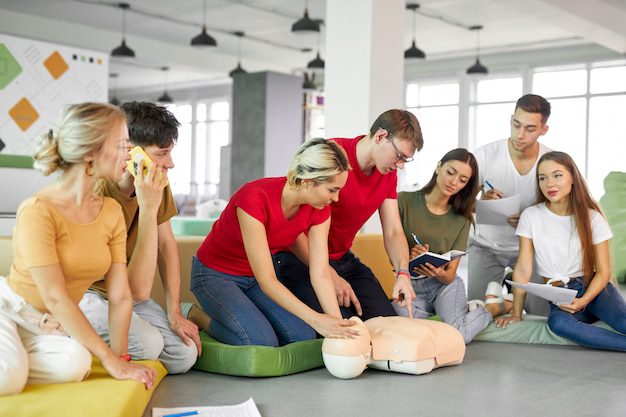
Hands-On Practice: Kinesthetic learners benefit from extensive practice sessions using mannequins, bandaging materials, and simulated scenarios.
Auditory Instruction: Clear verbal explanations and discussion opportunities support auditory learners while reinforcing key concepts for all participants.
Repetition and Reinforcement: Training programs repeat essential skills multiple times using different approaches, ensuring all participants master critical techniques.
Age-Specific Training Considerations
Different age groups bring unique strengths and challenges to first aid learning:
Children and Teenagers: Young learners often excel at memorizing steps and demonstrate enthusiasm for helping others. Programs focus on age-appropriate scenarios and emphasize when to get adult help. Many schools now integrate first aid into health education curricula.
Young Adults: College students and young professionals typically learn quickly and retain skills well. They often appreciate scenario-based training that relates to their lifestyle and activities.
Middle-Aged Learners: Adults bring life experience and motivation to training, often learning first aid to protect family members or meet workplace requirements. They may need more practice with physical techniques but understand concepts quickly.
Seniors: Older adults possess wisdom and often strong motivation to help others. While they may need additional time for physical practice, their life experience helps them understand emergency priorities and remain calm under pressure.
Overcoming Common Learning Barriers
Many people hesitate to pursue first aid training due to perceived obstacles:
Fear of Making Mistakes: Quality first aid training courses emphasize that attempting help is better than doing nothing. Instructors create supportive environments where students can practice without judgment.
Squeamishness Concerns: Training programs gradually introduce medical content, allowing squeamish individuals to build tolerance. Many people discover they can handle more than they expected when motivated to help others.
Time Constraints: Modern training offers flexible scheduling options, including weekend intensives, evening classes, and online components that reduce time commitments while maintaining hands-on skill requirements.
Cost Concerns: Many community organizations, employers, and educational institutions offer free or low-cost first aid training. The investment in knowledge pays dividends in emergency preparedness.
Physical Ability Adaptations
First aid training accommodates various physical limitations:
Mobility Limitations: Wheelchair users or those with walking difficulties learn modified techniques for providing care from seated positions or directing others in emergency response.
Strength Limitations: Smaller individuals or those with limited strength learn leverage techniques and team approaches for moving patients or performing physically demanding skills like CPR.
Vision Impairments: Training emphasizes tactile assessment techniques and verbal communication skills that work effectively for visually impaired first responders.
Hearing Impairments: Visual demonstrations and written materials support deaf or hard-of-hearing participants, while sign language interpreters may be available for specialized programs.
Learning Disabilities and Special Needs
First aid training adapts to support learners with various challenges:
Attention Difficulties: Shorter training sessions with frequent breaks and varied activities help maintain focus for participants with ADHD or attention challenges.
Memory Concerns: Instructors use repetition, mnemonics, and practical application to reinforce learning for participants with memory difficulties.
Processing Differences: Multiple teaching methods ensure that participants with different processing styles can absorb and apply first aid knowledge effectively.
Autism Spectrum Considerations: Structured approaches and clear expectations help participants with autism spectrum conditions succeed in first aid training environments.
Professional and Background Considerations
First aid training welcomes participants from all professional backgrounds:
Healthcare Workers: Medical professionals benefit from first aid training that covers non-clinical environments where advanced equipment isn’t available.
Non-Medical Professionals: People without medical background often make excellent first aid providers because they learn systematic approaches without assuming prior knowledge.
Students: Young people learning first aid develop life-long skills and often become community advocates for emergency preparedness.
Retirees: Older adults with time and motivation often become dedicated first aid volunteers and community educators.
Skill Development and Retention
Research shows that virtually anyone can learn and retain essential first aid skills:
Muscle Memory Development: Repeated practice creates automatic responses that work even under stress, regardless of the learner’s background.
Confidence Building: Successful skill demonstration during training builds confidence that transfers to real emergency situations.
Knowledge Integration: First aid principles integrate with common sense and life experience, making skills accessible to diverse learners.
Continuous Improvement: Skills improve with practice and real-world application, regardless of initial learning speed or ability.
Special Population Training Programs
Targeted programs serve specific community needs:
Senior Citizen Programs: Community centers and senior organizations offer first aid training specifically designed for older adults, addressing age-related concerns and scenarios.
Youth Programs: Schools, scout troops, and youth organizations provide age-appropriate first aid education that builds safety awareness and helping skills.
Workplace Programs: Workplace safety training often includes first aid components tailored to specific work environments and hazards.
Family Programs: Some organizations offer family-focused first aid training where parents and children learn together, building household emergency preparedness.
Technology and Learning Support
Modern technology enhances first aid training accessibility:
Online Learning Components: Digital modules allow learners to progress at their own pace and review difficult concepts repeatedly.
Mobile Applications: First aid apps provide quick reference and refresher training, supporting ongoing skill maintenance.
Interactive Simulations: Computer-based scenarios help learners practice decision-making in safe environments before real emergencies occur.
Accessibility Features: Digital platforms often include closed captions, adjustable text sizes, and other accessibility features supporting diverse learners.
Building Confidence and Competence
Successful first aid training focuses on building both knowledge and confidence:
Scenario-Based Practice: Realistic practice scenarios help learners apply skills in context, building confidence for real emergency responses.
Gradual Skill Building: Training progresses from simple to complex skills, allowing learners to build competence systematically.
Supportive Environment: Quality instructors create encouraging atmospheres where learners feel safe to ask questions and practice skills.
Peer Learning: Group training allows participants to learn from each other and practice teamwork skills essential for emergency response.
Integration with Other Safety Skills
First aid training often combines with complementary safety education:
CPR Certification Training Integration: Many programs combine first aid with CPR instruction, providing comprehensive emergency response capability.
AED Training Essentials: Automated external defibrillator training complements first aid skills for more complete emergency preparedness.
Emergency Response Training Coordination: First aid integrates well with broader emergency preparedness education, creating well-rounded safety knowledge.
Overcoming Psychological Barriers
Many potential learners face mental barriers to first aid training:
Fear of Responsibility: Training emphasizes that first aid provides temporary care until professional help arrives, reducing concerns about taking on too much responsibility.
Liability Worries: Education about Good Samaritan laws helps learners understand legal protections available to those providing emergency care.
Performance Anxiety: Practice in low-pressure training environments builds skills and confidence before high-stress real-world application.
Cultural Considerations: Some cultures may have concerns about touching strangers or providing medical care. Training addresses these concerns while respecting cultural values.
The answer is unequivocally yes – anyone can learn first aid skills effectively with proper instruction and practice. Age, physical ability, educational background, and previous experience don’t prevent successful first aid learning. Quality training programs adapt to diverse learners, using multiple teaching methods and providing necessary accommodations. The key is finding training that matches your learning style and needs while providing comprehensive skill development. Whether you’re a teenager, senior citizen, healthcare worker, or complete beginner, first aid training can equip you with life-saving knowledge that serves your family and community for years to come.
Comments are closed