




When school nurse Jennifer Walsh registered for first aid recertification, she discovered that her state’s education department now required CPR training as part of basic first aid certification for all school health personnel. This change reflected a growing trend toward integrated emergency response training that combines multiple life-saving skills into comprehensive certification programs.
Understanding First Aid and CPR as Separate Skills
First aid and CPR address different emergency scenarios, though they often work together:
First Aid Focus: Traditional first aid covers wound care, burns, fractures, allergic reactions, and other medical emergencies that don’t involve cardiac arrest. These skills help stabilize patients and prevent condition deterioration.
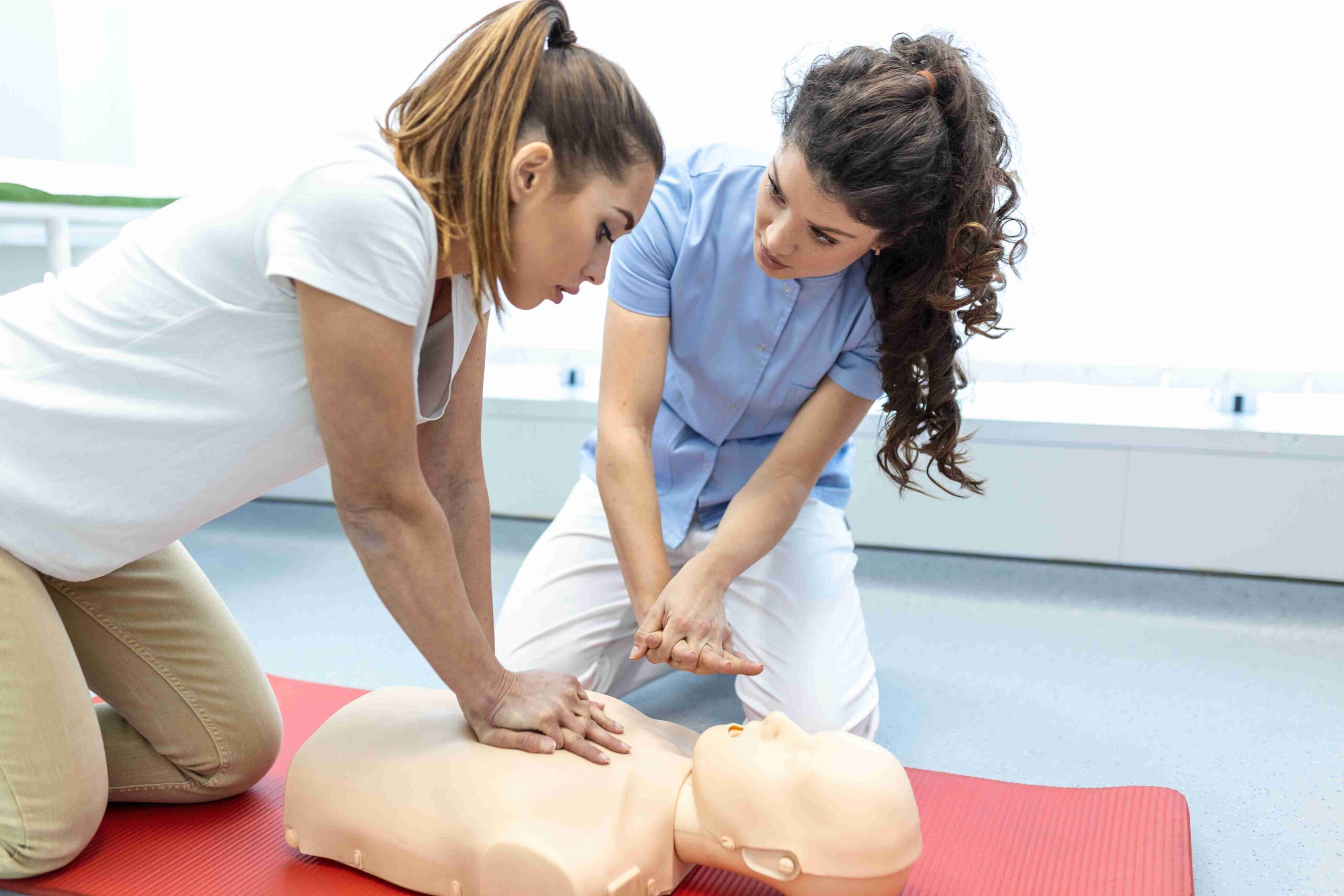
CPR Specialization: Cardiopulmonary resuscitation specifically addresses cardiac arrest situations where the heart has stopped beating effectively. CPR maintains blood circulation until advanced medical care arrives.
Complementary Nature: While distinct, these skills complement each other perfectly. Many emergencies require both first aid and potential CPR response, making combined training highly valuable.
Certification Program Variations
Different training organizations handle CPR and first aid integration differently:
Combined Programs: Many providers offer integrated first aid training courses that include CPR components, creating comprehensive emergency response certification in a single program.
Separate Certifications: Some organizations maintain distinct first aid and CPR certification training programs, allowing individuals to choose specific skills based on their needs.
Modular Approaches: Certain providers offer modular training where participants can select first aid, CPR, or combined certification depending on requirements and preferences.
Professional and Legal Requirements
Various professions have specific requirements regarding CPR inclusion in first aid training:
Healthcare Settings: Medical facilities typically require combined first aid and CPR certification for all staff, recognizing the likelihood of cardiac emergencies in healthcare environments.
Educational Institutions: Many states now mandate CPR training as part of first aid requirements for teachers, coaches, and school staff, reflecting increased emphasis on comprehensive emergency preparedness.
Childcare Providers: Daycare centers and preschools usually require combined training due to the vulnerability of young children and parents’ expectations for comprehensive emergency response capability.
Workplace Safety Programs: Workplace safety training often integrates CPR with first aid, ensuring designated responders can handle various emergency scenarios effectively.
Age-Specific Considerations
Training requirements vary based on the populations being served:
Adult-Focused Programs: First aid for adult populations may not always require CPR, though many employers prefer comprehensive training for workplace responders.
Pediatric Requirements: Working with children typically mandates both first aid and pediatric CPR training due to different techniques needed for smaller patients and increased parental expectations.
Infant Care Settings: Childcare workers usually need infant CPR training alongside first aid, as infant emergencies require specialized techniques and immediate response capabilities.
Industry-Specific Requirements
Different industries have varying expectations for first aid and CPR integration:
Construction Industry: While first aid is commonly required, CPR may be optional unless mandated by specific contracts or company policies.
Manufacturing Settings: Industrial environments often require combined training due to accident risks that could result in both trauma and cardiac events.
Hospitality Sector: Hotels and restaurants increasingly prefer staff with combined certification to address diverse guest emergency scenarios.
Public Safety: Emergency services universally require both first aid and advanced CPR training as fundamental job requirements.
Training Program Integration Benefits
Combined first aid and CPR programs offer several advantages:
Comprehensive Preparedness: Integrated training ensures responders can handle various emergency scenarios without gaps in knowledge or capability.
Cost Effectiveness: Combined programs often cost less than separate certifications while providing more comprehensive skill development.
Time Efficiency: Single programs reduce time commitments compared to taking multiple separate courses for complete emergency response preparation.
Skill Reinforcement: Combined training helps participants understand how different emergency skills work together during complex incidents.
Certification Validity and Renewal
Integrated programs may have different renewal requirements:
Synchronized Expiration: Combined certifications typically expire simultaneously, simplifying renewal tracking and ensuring comprehensive skill updates.
Renewal Efficiency: Recertification for combined programs usually takes less time than renewing separate first aid and CPR certifications individually.
Skill Integration: Renewal training reinforces connections between first aid and CPR skills, improving overall emergency response effectiveness.
When CPR May Not Be Required
Some situations may not mandate CPR inclusion in first aid training:
Low-Risk Environments: Office settings or retail environments may only require basic first aid without CPR components, though many employers prefer comprehensive training.
Specialized Roles: Some positions may focus on specific first aid skills without cardiac emergency response requirements.
Budget Constraints: Organizations with limited training budgets might initially focus on basic first aid, adding CPR components later.
Personal Training: Individuals learning first aid for personal knowledge may choose to focus on specific skills based on their family or lifestyle needs.
Technology Integration and Modern Training
Current training programs increasingly integrate multiple emergency skills:
AED Training Essentials: Many programs now include automated external defibrillator training alongside first aid and CPR, creating comprehensive emergency response capability.
Emergency Response Training Integration: Modern programs often include communication, scene management, and coordination skills alongside technical first aid and CPR abilities.
Simulation-Based Learning: Advanced training programs use realistic scenarios that require both first aid and CPR skills, demonstrating their interconnected nature.
Practical Considerations for Decision Making
Several factors influence whether to choose combined or separate training:
Role Requirements: Check specific job or volunteer position requirements before selecting training programs to ensure compliance.
Population Served: Consider the demographics and risk factors of people you’ll be helping when deciding on training comprehensiveness.
Time Available: Evaluate your scheduling constraints and determine whether combined or separate training better fits your availability.
Budget Factors: Compare costs of combined versus separate training options, factoring in renewal requirements and long-term expense.
Quality Training Provider Selection
When choosing first aid training, evaluate provider capabilities:
Comprehensive Programs: Look for providers offering integrated training that addresses multiple emergency scenarios effectively.
Instructor Qualifications: Ensure instructors have current credentials in both first aid and CPR instruction for comprehensive skill development.
Hands-On Practice: Quality programs provide extensive practice opportunities for both first aid and CPR skills using appropriate equipment and scenarios.
Certification Recognition: Verify that certifications meet requirements for your specific profession, workplace, or volunteer position.
Building Complete Emergency Response Capability
The most effective emergency preparedness combines multiple complementary skills:
Progressive Skill Building: Start with basic first aid and add CPR, AED, and other emergency skills over time to build comprehensive capability.
Regular Practice: Maintain both first aid and CPR skills through regular refresher training and practice opportunities.
Scenario Application: Practice integrated scenarios that require multiple emergency skills working together effectively.
Continuing Education: Stay current with evolving guidelines and best practices for all emergency response skills.
While CPR isn’t always legally required for first aid certification, the combination creates more comprehensive emergency response capability. Modern trends favor integrated training that prepares responders for diverse emergency scenarios. Whether you choose separate or combined certification depends on your specific requirements, but understanding how these skills complement each other helps you make informed decisions about your emergency preparedness education. Quality training providers offer flexible options that can meet both mandatory requirements and personal preparedness goals.
Comments are closed