AVIRT Training for Mining – Safety, Risk & Emergency Response

  • Home
  • AVIRT Training for Mining – Safety, Risk & Emergency Response
AVIRT Training for Mining – Safety, Risk & Emergency Response
Mining Industry Training

AVIRT Training for Mining – Safety, Risk & Emergency Response

Specialized emergency preparedness training designed for the unique hazards of underground and surface mining operations. Protect your workforce in one of the world's most demanding work environments.

Mining Operations Demand the Highest Level of Emergency Preparedness

The mining industry operates in environments where danger is constant, risks are complex, and emergency response can mean the difference between life and death. Whether extracting resources thousands of feet underground or managing massive surface operations, mining professionals face hazards that few other industries encounter.

AVIRT (Active Violence Integrated Response Training) for mining addresses the full spectrum of emergency scenarios specific to mining operations—from underground collapses and equipment failures to medical emergencies in remote locations and active threat situations. Traditional safety training focuses on preventing incidents, but AVIRT prepares your workforce for the critical moments when prevention fails and immediate action is required.

Mining sites are inherently isolated. Emergency services may be hours away. Communication systems can fail. Environmental conditions change rapidly. Your miners are your first responders, and their training must reflect the extreme conditions in which they operate. AVIRT equips them with the skills, confidence, and protocols to respond effectively when every second counts.

This isn't just about compliance or checking safety boxes. This is about ensuring that every person who descends into a mine shaft or operates heavy equipment on a surface site returns home safely—even when facing the unthinkable.

Need Immediate Mining Safety Training?

Get a free emergency preparedness assessment for your mining operation

Request Assessment

Download Our Mining Emergency Response Checklist

Get our comprehensive 25-point checklist to evaluate your mining operation's emergency preparedness and identify critical gaps before incidents occur.

Excavator on rocky cliff in mining environment, emphasizing high-risk operations and the importance of safety training for mining personnel.
Industry-Specific Risks

Unique Emergency Challenges in Mining Operations

Mining environments present emergency response scenarios unlike any other industry. Understanding these challenges is the first step toward effective preparedness.

⛏️

Underground Confinement & Access

Limited egress routes, restricted communication systems, darkness, confined spaces, and the potential for complete isolation create emergency response scenarios where traditional protocols fail. Evacuation becomes complex, rescue operations are prolonged, and self-sufficiency is essential.

🌡️

Extreme Environmental Conditions

Heat stress in deep underground operations, freezing temperatures in arctic mining, toxic gas exposures, dust inhalation hazards, and oxygen-depleted atmospheres require specialized emergency medical response that goes beyond standard first aid training.

🚨

Remote Location Isolation

Mining operations often exist far from hospitals, trauma centers, and emergency services. Response times measured in hours—not minutes—mean your workforce must be capable of providing advanced emergency care, stabilizing critical injuries, and managing life-threatening situations independently.

High-Risk Equipment & Hazards

Massive machinery, explosives, electrical systems, chemical processing, rock falls, and structural instability create traumatic injury scenarios requiring immediate bleeding control, fracture management, crush injury response, and advanced triage capabilities.

📡

Communication System Failures

Underground operations face radio dead zones, equipment interference, and power failures. Surface operations deal with vast distances and terrain obstacles. Emergency response protocols must function even when communication systems are compromised or completely unavailable.

👥

Shift Work & Workforce Turnover

24/7 operations across multiple shifts, contractor integration, seasonal workers, and diverse multilingual teams require training systems that ensure consistent emergency response capabilities regardless of who's on site at any given moment.

Comprehensive Curriculum

AVIRT Mining Training Modules

Our mining-specific AVIRT program integrates emergency medical response, active threat protocols, and risk management strategies tailored to the realities of mining operations.

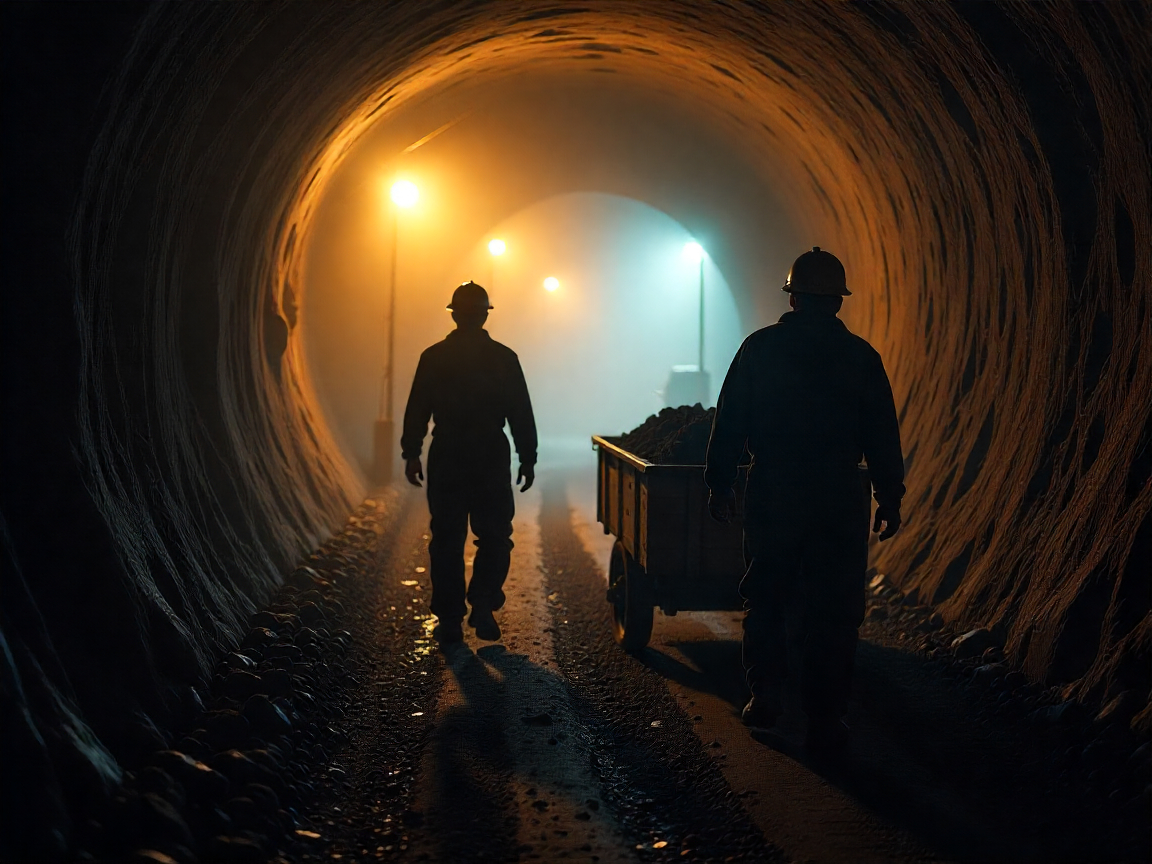
Silhouetted miners walking through a dimly lit tunnel, pushing a cart, representing high-risk mining environments and the importance of safety training.
MODULE 01

Underground Emergency Medical Response

Comprehensive medical emergency training designed specifically for confined underground environments where advanced care must be provided in challenging conditions.

  • CPR and AED deployment in confined spaces
  • Trauma management for crushing injuries
  • Oxygen therapy and respiratory emergencies
  • Spinal injury immobilization techniques
  • Patient extraction from hazardous areas
Miners walking through a tunnel illuminated by orange lights, emphasizing mining safety and emergency preparedness training.
MODULE 02

Active Threat & Workplace Violence Response

Mining facilities face unique security challenges. This module addresses active shooter scenarios, workplace violence, and threat mitigation in isolated industrial settings.

  • Run-Hide-Fight protocols for mining sites
  • Lockdown procedures in multi-level facilities
  • Communication during security emergencies
  • De-escalation and conflict resolution
  • Coordination with law enforcement response
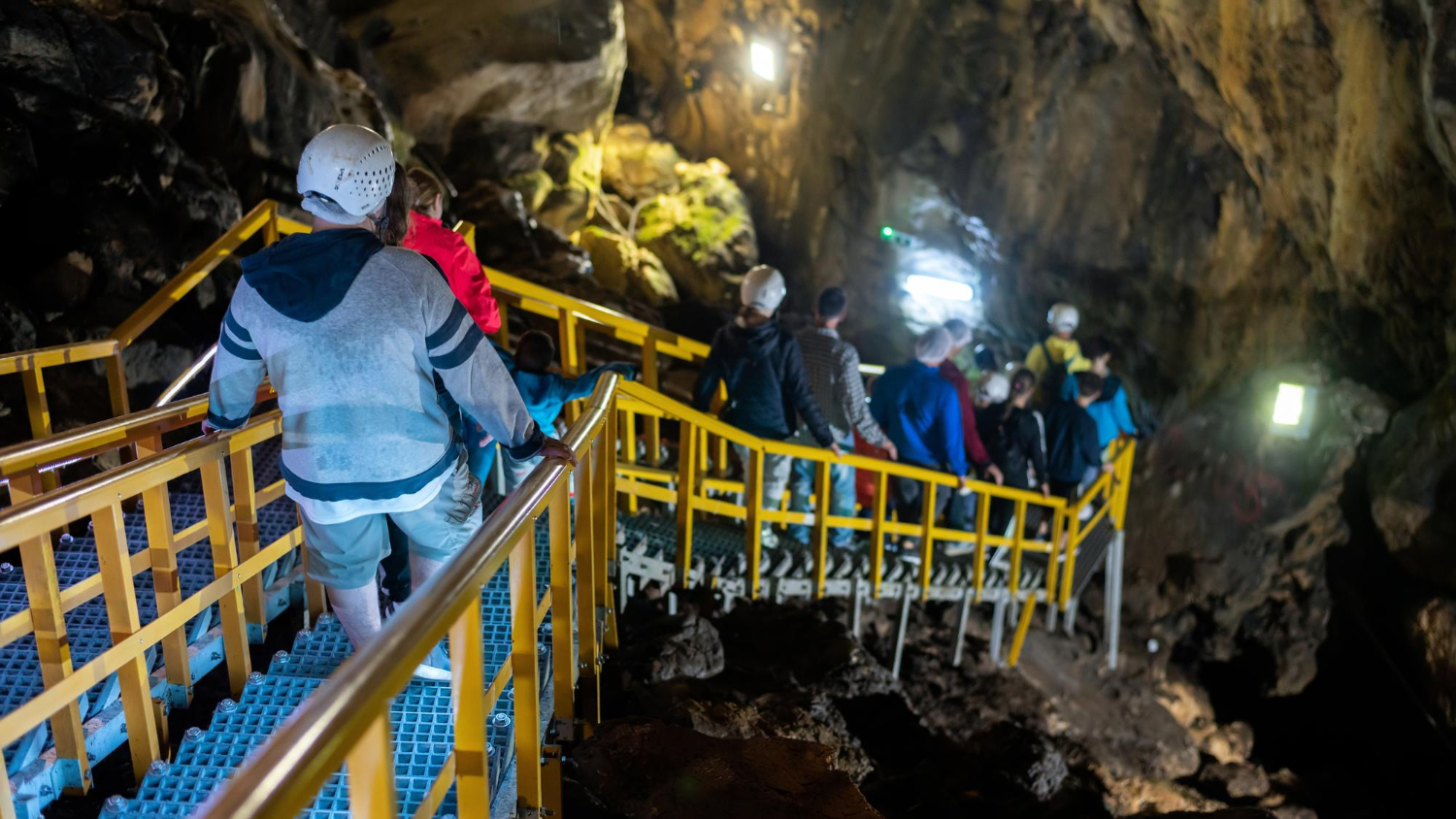
Group of miners and trainees descending a yellow metal staircase in a cave, wearing helmets, emphasizing safety training in mining environments.
MODULE 03

Severe Bleeding Control & Trauma Care

Industrial accidents in mining can result in catastrophic injuries. Learn advanced bleeding control techniques and trauma stabilization essential for survival in remote locations.

  • Tourniquet application and wound packing
  • Hemostatic agent utilization
  • Shock recognition and management
  • Multi-casualty triage systems
  • Prolonged field care protocols
MODULE 04

Mine Collapse & Entrapment Response

Specialized training for the unique challenges of underground collapses, roof falls, and equipment entrapment scenarios where extraction and medical care must occur simultaneously.

  • Self-rescue and escape strategies
  • Barricade construction and refuge chambers
  • Air quality monitoring and management
  • Victim location and communication
  • Medical care during prolonged entrapment
MODULE 05

Hazardous Material & Chemical Exposure

Mining operations involve toxic substances, explosive materials, and chemical processing. Emergency responders must know how to manage exposures while protecting themselves.

  • Chemical burn treatment protocols
  • Toxic gas exposure response
  • Decontamination procedures
  • Personal protective equipment selection
  • Hazard communication during emergencies
MODULE 06

Emergency Communication & Incident Command

Effective emergency response requires clear communication and coordinated leadership. Learn incident command systems adapted for mining operations.

  • Emergency notification systems activation
  • Radio communication protocols
  • Incident commander responsibilities
  • Multi-agency coordination strategies
  • Post-incident reporting and analysis

Building a Resilient Safety Culture in Mining

Excavator on rocky cliff in mining environment, emphasizing high-risk operations and the importance of safety training for mining personnel.

From Reactive to Proactive Emergency Management

Traditional mining safety focuses on preventing incidents through engineering controls, administrative policies, and personal protective equipment. While prevention is essential, AVIRT recognizes that even the best prevention systems can fail. What happens in the critical minutes following a collapse, explosion, cardiac event, or violent incident determines whether people survive.

AVIRT training transforms your workforce from passive followers of safety rules into active emergency responders capable of making life-saving decisions under extreme pressure. This cultural shift—from hoping emergencies never happen to being prepared when they inevitably do—is what separates mines with robust safety programs from those with exceptional survival outcomes.

Integration with Existing Mine Safety Systems

AVIRT doesn't replace your existing MSHA compliance training, mine emergency response plans, or safety management systems. Instead, it enhances them by filling critical gaps in emergency medical response, active threat preparedness, and crisis decision-making that traditional mining safety programs often overlook.

We work directly with your safety team to ensure seamless integration with your emergency action plans, rescue protocols, and existing training schedules. Our instructors understand mining operations and customize the curriculum to reflect your specific site conditions, equipment, hazards, and workforce composition.

Regulatory Alignment

AVIRT training supports compliance with MSHA regulations regarding emergency preparedness, mine rescue, and first aid training while exceeding minimum requirements with advanced response capabilities.

Silhouetted miners walking through a dimly lit tunnel, pushing a cart, representing high-risk mining environments and the importance of safety training.
67%
Reduction in fatality rates with advanced emergency response training
45+
Minutes average EMS response time to remote mining sites
89%
Of mining injuries occur in areas requiring immediate first aid
24/7
Mining operations requiring constant emergency preparedness coverage

Why Mining Operations Choose AVIRT Training

🎯
Mining-Specific Scenarios and Realistic Simulations

Generic workplace safety training fails in mining environments because the scenarios don't reflect reality. AVIRT uses your actual facility layout, equipment types, and operational conditions to create training scenarios that miners will actually face. We conduct drills in underground environments, simulate equipment failures, practice patient extraction from confined spaces, and test communication systems under realistic conditions. This isn't classroom theory—it's hands-on preparation for the specific emergencies your operation could encounter.

👨‍⚕️
Advanced Medical Response for Remote Locations

When the nearest trauma center is two hours away and helicopter evacuation depends on weather conditions, your workforce needs more than basic first aid. AVIRT provides advanced training in prolonged field care, advanced bleeding control, fracture stabilization, and critical patient monitoring. We teach miners to function as interim paramedics capable of keeping critically injured colleagues alive during extended transport times. This includes proper medication administration, IV fluid management, airway maintenance, and continuous patient assessment—skills that dramatically improve survival rates in remote emergency scenarios.

🔒
Security Threat Preparedness for Isolated Facilities

Mining operations are vulnerable targets—valuable resources, remote locations, limited security personnel, and isolated workforce concentrations create security risks that require specialized response protocols. AVIRT addresses active shooter scenarios, workplace violence escalation, and security breaches specific to mining facilities. We train your team on lockdown procedures across sprawling surface operations, escape route planning from underground locations, coordination with distant law enforcement, and protecting personnel when help is far away. This includes threat recognition, de-escalation techniques, and post-incident trauma support.

⚙️
Flexible Training Delivery for Shift Operations

Mining never stops, and neither should emergency preparedness training. We offer flexible scheduling that accommodates 24/7 operations—shift-specific training sessions, weekend intensives, modular programs that allow gradual rollout, and rapid onboarding for new hires. Our instructors can deploy to your site, conduct training at regional facilities, or deliver hybrid programs that combine on-site practical exercises with online theoretical components. We ensure every shift, every crew, and every worker receives consistent, high-quality training regardless of operational demands.

🌍
Multilingual Training for Diverse Workforces

Global mining operations employ diverse, multilingual workforces. Emergency response cannot have language barriers. AVIRT provides training in multiple languages, uses visual demonstration methods that transcend verbal communication, and develops universal signaling systems for emergency situations. We provide translated materials, multilingual emergency action plans, and can arrange professional interpreters. More importantly, we train bilingual team members as communication liaisons who can bridge language gaps during actual emergencies when clear communication is literally life or death.

📊
Measurable Outcomes and Continuous Improvement

AVIRT training includes comprehensive assessment systems that measure individual competency, team coordination, and overall emergency response effectiveness. We conduct regular drills with detailed after-action reviews, track skill retention through periodic assessments, and provide data-driven recommendations for program improvements. You'll receive certification documentation for compliance purposes, detailed training records for each employee, and analytics showing response time improvements, skill development trends, and readiness metrics. This data helps you demonstrate ROI, justify safety investments, and continuously enhance your emergency preparedness capabilities.

Frequently Asked Questions

AVIRT Mining Training FAQ

How does AVIRT training differ from standard MSHA-required mine rescue training?

MSHA requires mine rescue training focused on underground rescue techniques, mine atmosphere monitoring, and extraction procedures—essential components of mining safety. AVIRT complements this by adding comprehensive emergency medical response, active threat preparedness, and crisis decision-making that MSHA training doesn't extensively cover. While mine rescue teams focus on extracting trapped miners, AVIRT-trained personnel can provide advanced medical care during extraction, respond to surface-level emergencies, manage active shooter situations, and handle medical emergencies that don't involve entrapment. Think of AVIRT as the missing piece that transforms your workforce from rescue-capable to comprehensively emergency-prepared.

Can AVIRT training be conducted underground in actual mining conditions?

Yes, and we strongly recommend it. While classroom instruction provides essential theoretical knowledge, the true value of AVIRT training emerges during realistic scenario-based exercises in actual operating environments. We conduct training in underground mines (with proper safety protocols and permits), on surface mining equipment, in processing facilities, and across your actual site layout. This allows participants to practice emergency response in the confined spaces, lighting conditions, noise levels, and physical constraints they'll face during real emergencies. We work with your safety team to ensure all training exercises comply with MSHA regulations and internal safety policies while providing maximum realistic exposure.

What certifications do participants receive after completing AVIRT mining training?

Participants receive multiple certifications depending on the specific modules completed. Standard AVIRT mining training includes CPR/AED certification (American Heart Association or Red Cross), First Aid certification, Bleeding Control (Stop the Bleed) certification, and AVIRT Active Violence Response certification. Advanced participants can earn Wilderness First Responder certification, CERT (Community Emergency Response Team) certification, and specialized trauma care credentials. All certifications are nationally recognized, include digital and physical certificates, and meet or exceed MSHA documentation requirements. Certifications typically require renewal every two years, and we offer streamlined recertification programs.

How long does comprehensive AVIRT training take for mining operations?

Training duration depends on your workforce size, operational constraints, and desired comprehensiveness. A basic AVIRT program (core emergency response skills for all employees) typically requires 6-8 hours per person. Advanced training (designated emergency responders, mine rescue team enhancement) extends to 16-24 hours. We offer flexible delivery: intensive multi-day sessions, weekly modules spread over several weeks, or hybrid programs combining online learning with on-site practical exercises. For large mining operations, we often implement phased rollouts—training leadership first, then shift supervisors, then general workforce—ensuring minimal operational disruption while building comprehensive emergency response capability across the entire organization.

Is AVIRT training suitable for both underground and surface mining operations?

Absolutely. While underground and surface mining present different emergency scenarios, the core AVIRT principles—immediate medical response, active threat preparedness, crisis decision-making—apply to both. We customize the training to your specific operation type. Underground programs emphasize confined space medical care, limited egress response, and communication system failures. Surface programs focus on wide-area emergencies, equipment-specific hazards, and coordination across large facilities. Many mining companies operate both underground and surface operations; we develop integrated training that prepares personnel for the full spectrum of scenarios they might encounter regardless of where they're working on any given day.

What emergency medical equipment should mining operations have on-site?

AVIRT training includes equipment recommendations based on your specific hazards and isolation level. At minimum, we recommend: AEDs positioned for 3-minute access from any location, bleeding control kits (tourniquets, hemostatic gauze, pressure dressings) at strategic locations, comprehensive first aid supplies exceeding MSHA requirements, oxygen delivery systems for respiratory emergencies, spinal immobilization equipment, and communication devices for emergency coordination. For remote operations, consider advanced supplies like IV fluids, advanced airways, and extended patient monitoring equipment. During training, we assess your current equipment, identify gaps, recommend cost-effective procurement strategies, and ensure your team knows how to use everything you have.

How does AVIRT address the psychological impact of emergencies on mining personnel?

Mining emergencies create significant psychological trauma—for both victims and responders. AVIRT includes psychological first aid training, post-incident stress management, and peer support strategies. We teach recognition of shock, trauma, and acute stress reactions; provide techniques for supporting colleagues emotionally during and after emergencies; and help establish critical incident stress debriefing protocols. Mining already carries psychological burdens—isolation, dangerous conditions, long shifts away from family. When emergencies occur, untreated psychological trauma compounds these stresses. We help you develop comprehensive mental health support systems that recognize emergency response as both a physical and emotional challenge requiring ongoing support for your workforce.

Can AVIRT training be customized for specific mining hazards at our operation?

Customization is essential to effective AVIRT training. Before program delivery, we conduct comprehensive site assessments—reviewing your facility layout, identifying specific hazards (methane, coal dust, silica, specific chemical exposures), analyzing your equipment and processes, evaluating communication systems, and understanding your workforce composition. We then develop training scenarios that reflect your actual risks: maybe you're concerned about roof falls in your underground operation, or perhaps surface mining near residential areas creates security concerns, or chemical processing creates specialized exposure risks. The training your team receives will specifically prepare them for the emergencies most likely to occur at your operation, using your terminology, your equipment, and your site geography.

What ongoing support do you provide after initial AVIRT training completion?

AVIRT training isn't a one-time event—it's the beginning of continuous emergency preparedness improvement. We provide: quarterly refresher training options, annual recertification programs, 24/7 consultation access for emergency response questions, assistance with emergency plan development and updates, participation in your emergency drills as evaluators, access to online training resources and updated protocols, new employee onboarding training, and post-incident consultation if you experience an actual emergency. Many mining operations establish ongoing relationships where we conduct annual comprehensive training, quarterly mini-drills, and provide continuous support as your operation evolves, workforce changes, and new risks emerge.

Prepare Your Mining Operation for the Emergencies You Hope Never Happen

Don't wait for a tragedy to discover your team isn't ready. AVIRT training gives your workforce the skills, confidence, and protocols to respond effectively when lives depend on immediate action.

AVIRT Safety Training for Mining: Emergency Response & Risk Management

We value every opportunity to connect with you and discuss how Safety Is A Mindset can be your trusted partner in creating safer environments. Whether you’re seeking customized training solutions, have specific service inquiries, or simply want to learn more about our mission, we encourage you to get in touch. Fill out the form below, give us a call, or send us an email — we look forward to hearing from you and helping you take the next step toward a safer tomorrow.