




Introduction
CPR certification renewal is a critical responsibility that ensures your lifesaving skills remain current and effective when emergencies arise. Whether you’re a healthcare professional, educator, first responder, or workplace safety coordinator, maintaining valid CPR certification isn’t just about compliance—it’s about being prepared to save lives.
Most CPR certifications expire every two years, requiring renewal to stay aligned with the latest American Heart Association and American Red Cross guidelines. This renewal process refreshes your knowledge, updates you on new techniques, and maintains the confidence needed to act decisively during cardiac emergencies.
Why Renew CPR Certification?
Skill Retention
Research shows that CPR skills can deteriorate within months without practice or reinforcement. Regular renewal courses help maintain muscle memory for chest compressions, proper hand placement, and rescue breathing techniques. This skill retention is particularly crucial for professionals working in high-risk environments across various industries we serve.
Professional Compliance
Many professions require valid CPR certification for employment and licensing compliance. Healthcare workers, teachers, childcare providers, and safety personnel must maintain current certification to meet regulatory requirements and workplace policies.
Updated Guidelines
The American Heart Association updates CPR guidelines approximately every five years based on the latest resuscitation science. Renewal ensures you’re trained on current compression rates, depth recommendations, and automated external defibrillator (AED) protocols.
Enhanced Workplace Safety
Organizations prioritize employee safety through comprehensive training programs. Valid CPR certification demonstrates commitment to workplace safety and emergency preparedness, whether you’re working in manufacturing, construction, or healthcare environments.
Steps to Renew CPR Certification
Step 1: Check Your Expiration Date
Locate the expiration date on your current certification card or check email reminders from your training provider. Most organizations send renewal notices 30-60 days before expiration. Don’t wait until the last minute—expired certifications may require taking a full course instead of a shorter renewal class.
Step 2: Choose an Accredited Provider
Select a renewal course from recognized organizations like the American Red Cross, American Heart Association, or other nationally accredited providers. Ensure the course meets your profession’s specific requirements and employer standards. Look for providers offering certified CPR training courses that align with your needs.
Step 3: Enroll in a Renewal Course
Choose from multiple learning formats:
- Online courses for maximum flexibility and convenience
- In-person training for hands-on practice and instructor feedback
- Blended learning combining online theory with practical skills sessions
Many professionals prefer in-person safety training for the interactive experience and immediate feedback from certified instructors.
Step 4: Complete the Course and Assessment
Study updated CPR guidelines, review emergency response protocols, and pass the required assessments. Some courses include practical skills evaluations to ensure proper technique. Focus on key areas like:
- Proper chest compression depth and rate
- Effective rescue breathing techniques
- AED operation and safety protocols
- Recognition of cardiac arrest signs
Step 5: Receive Your New Certification
Download your digital certificate immediately upon completion or receive a physical card by mail. Share the updated certification with your employer and maintain copies for your records. Most certifications are valid for two years from the completion date.
Types of Renewal Courses
Online CPR Renewal
Self-paced online courses offer convenience for busy professionals. These programs typically take 30-60 minutes to complete and provide immediate certification upon passing the final exam. Online renewal is ideal for those with irregular schedules or remote work arrangements.
Benefits:
- Complete coursework anytime, anywhere
- Cost-effective option
- Immediate certificate access
- Review materials at your own pace
Considerations: Some employers or regulatory bodies may require hands-on skills verification in addition to online coursework.
Blended Learning Approach
Combines online theoretical learning with in-person skills evaluation. This format satisfies most employer requirements while offering scheduling flexibility. The online portion covers updated guidelines and protocols, while the practical session ensures proper technique.
In-Person Renewal Classes
Traditional classroom settings with certified instructors provide comprehensive hands-on training. These sessions typically last 2-4 hours and include:
- Instructor-led demonstrations
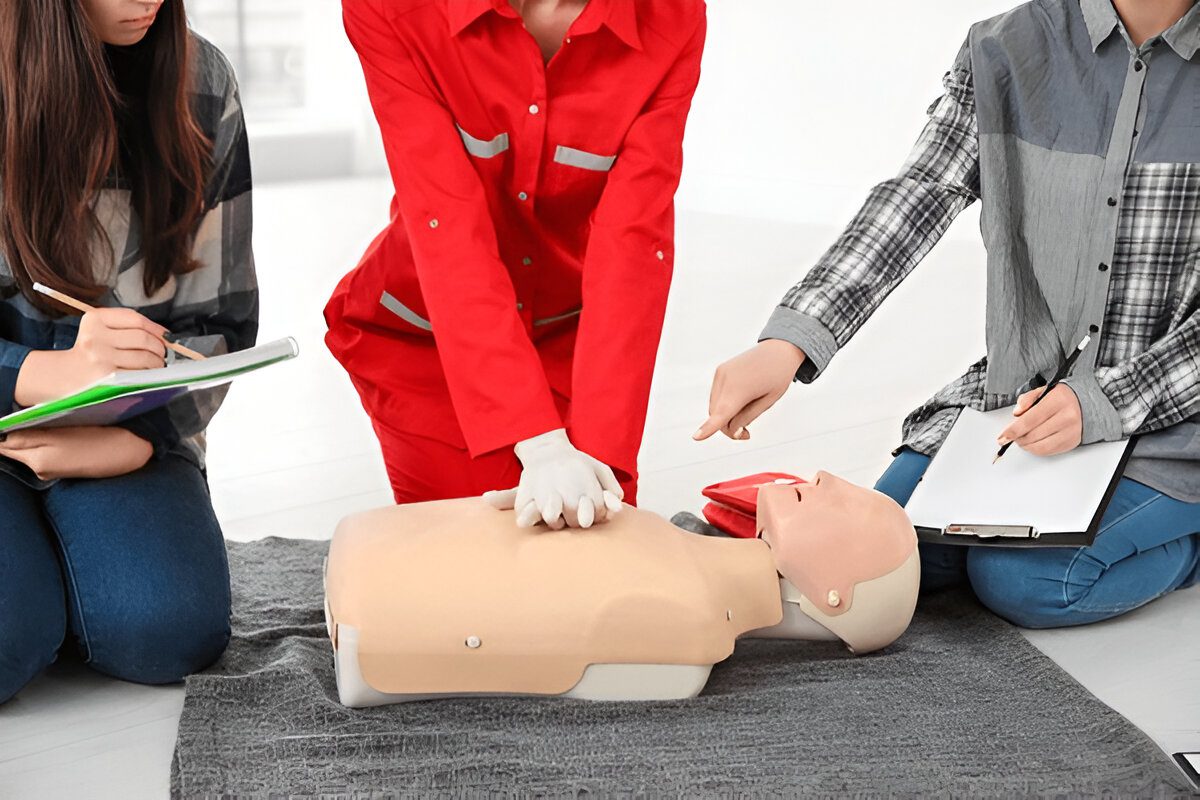
- Hands-on practice with mannequins
- Real-time feedback and correction
- Group scenarios and team-based exercises
In-person classes are particularly valuable for organizations implementing comprehensive onsite safety training services programs.
Duration and Validity
Course Duration:
- Online renewal: 20-60 minutes
- Blended learning: 2-3 hours total (online + skills session)
- In-person renewal: 2-4 hours
Certification Validity: All CPR certifications are valid for two years from the completion date, regardless of the renewal format chosen.
Common Renewal Mistakes to Avoid
Waiting Until After Expiration
Don’t let your certification lapse. Expired certifications often require taking a full initial course rather than a shorter renewal class, increasing both time and cost requirements.
Choosing Non-Accredited Providers
Ensure your chosen provider is recognized by major organizations and accepted by your employer. Non-accredited courses may not meet professional or regulatory requirements.
Failing to Update Employment Records
Notify your employer immediately upon renewal completion. Many organizations track employee certifications for compliance purposes and workplace safety protocols.
Not Practicing Between Renewals
Regular skill practice maintains proficiency. Consider participating in additional safety training programs or volunteer opportunities to reinforce your CPR knowledge.
Frequently Asked Questions
Can I perform CPR with an expired certification?
Yes, you can legally perform CPR as a Good Samaritan regardless of certification status. However, current certification ensures you follow the latest guidelines and maintain confidence in emergency situations. Healthcare professionals and other required personnel must maintain valid certification for employment compliance.
Is online CPR renewal valid?
Yes, online renewal is valid when completed through accredited providers and meets your employer’s requirements. Some positions may require additional hands-on skills verification, so check your specific workplace policies.
How long does CPR renewal take?
Online courses can be completed in as little as 20-30 minutes, while in-person or blended programs may take 2-4 hours. The time investment is minimal compared to the life-saving impact of maintaining current skills.
What’s the difference between CPR and AED renewal?
Most modern CPR courses include AED training as an integrated component, since automated external defibrillators are critical tools in cardiac arrest response. Renewal courses typically cover both CPR and AED protocols together.
Do I need different certifications for different age groups?
CPR techniques vary for adults, children, and infants. Many renewal courses cover all age groups, but some professions may require specific certifications. For example, those working in elementary and secondary schools may need pediatric-focused training.
Comments are closed