




When Sarah Martinez decided to become a CPR instructor after saving a coworker’s life, she discovered that teaching these vital skills requires more than just knowing the techniques. Her journey from certified student to authorized instructor involved rigorous training, ongoing education, and meeting specific qualifications that ensure she can effectively pass on life-saving knowledge to others.
Official Training Organizations and Certification Bodies
Only specific organizations have authority to certify CPR instructors, ensuring standardized quality and recognized credentials:
American Heart Association (AHA): The gold standard for CPR instructor certification in the United States. AHA instructors must complete comprehensive training programs and demonstrate both technical competency and teaching ability. Their certification allows instruction in Basic Life Support (BLS), Heartsaver CPR/AED, and specialized programs.
American Red Cross: Another nationally recognized organization that trains and certifies CPR instructors. Red Cross instructor candidates must pass written exams, skills assessments, and teaching demonstrations before receiving authorization.
National Safety Council: Provides instructor certification for CPR and first aid training, focusing on workplace and community education programs.
Health & Safety Institute (HSI): Offers instructor training for various life safety skills, including CPR, with emphasis on practical application and effective teaching methods.
Healthcare Professional Instructors
Medical professionals often serve as CPR instructors, bringing clinical experience to their teaching:
Registered Nurses: Many RNs become CPR instructors, combining their medical knowledge with education skills. Hospitals frequently train their nursing staff as instructors to provide in-house certification programs.
Emergency Medical Technicians: Paramedics and EMTs make excellent CPR instructors due to their field experience with cardiac emergencies and advanced life support techniques.
Physicians: Doctors sometimes serve as CPR instructors, particularly in hospital settings or medical education programs, though their clinical demands often limit availability.
Respiratory Therapists: These healthcare professionals possess deep understanding of airway management and ventilation, making them particularly effective CPR instructors.
Educational Institution Instructors
Schools and training centers employ various types of CPR instructors:
Physical Education Teachers: Many PE teachers obtain CPR instructor certification to teach students, integrating life-saving skills into health and wellness curricula.
Health Education Specialists: These professionals often serve as primary CPR instructors in educational settings, developing comprehensive safety education programs.
Nursing School Faculty: Instructor certification allows nursing educators to train future healthcare professionals, ensuring new nurses enter the field with current CPR skills.
Community College Instructors: Many continuing education programs rely on certified instructors to provide CPR training for community members and working professionals.
Public Safety Training Instructors
First responder organizations maintain their own cadre of CPR instructors:
Fire Department Training Officers: Many firefighters become certified instructors to train their colleagues and provide community education programs.
Police Training Instructors: Law enforcement agencies often certify officers as CPR instructors to maintain department-wide certification and provide community outreach.
Emergency Management Coordinators: These professionals frequently obtain instructor certification to support community preparedness initiatives and disaster response training.
Corporate and Workplace Trainers
Businesses increasingly employ in-house CPR instructors:
Safety Managers:Workplace safety training coordinators often become certified CPR instructors to provide comprehensive emergency response education for employees.
Human Resources Professionals: HR staff sometimes obtain instructor certification to support employee wellness programs and workplace safety initiatives.
Occupational Health Nurses: Company nurses frequently serve as CPR instructors, providing convenient on-site training for employees while maintaining medical expertise.
Training and Development Specialists: Corporate trainers may add CPR instruction to their skill set, integrating life-saving training with other professional development programs.
Specialized Industry Instructors
Certain industries require instructors with specific experience and knowledge:
Fitness Industry Instructors:CPR certification training for fitness professionals requires instructors who understand exercise-related cardiac risks and gym environments.
Childcare Training Specialists: Instructors working with childcare providers must understand pediatric CPR variations and age-appropriate training methods.
Construction Safety Trainers: Industrial settings like construction require instructors familiar with workplace hazards and emergency response challenges in these environments.
Healthcare Facility Trainers: Hospital-based instructors understand medical equipment integration, team response protocols, and clinical application of CPR skills.
Qualification Requirements for CPR Instructors
Becoming a certified CPR instructor involves meeting specific criteria:
Current CPR Certification: Instructor candidates must hold current CPR certification in the discipline they plan to teach, demonstrating personal competency before teaching others.
Training Program Completion: Prospective instructors must complete organization-specific instructor development courses, typically lasting 1-2 days and covering both technical skills and teaching methodology.
Skills Assessment: Candidates must demonstrate proficiency in CPR techniques through practical examinations, showing they can perform skills correctly and consistently.
Teaching Demonstration: Most programs require candidates to conduct practice teaching sessions, demonstrating their ability to communicate effectively and manage student learning.
Background Requirements: Some organizations require background checks, particularly for instructors working with children or in healthcare settings.
Maintaining Instructor Status
CPR instructor certification requires ongoing maintenance and continuing education:
Recertification: Most organizations require instructor recertification every two years, ensuring instructors maintain current knowledge and teaching authorization.
Continuing Education: Instructors must participate in update training when guidelines change, staying current with evolving CPR science and techniques.
Quality Assurance: Training organizations monitor instructor performance through student feedback, course evaluations, and periodic skill assessments.
Teaching Requirements: Many organizations require instructors to teach a minimum number of courses annually to maintain active status.
Training Delivery Methods and Settings
Qualified CPR instructors work in diverse environments and formats:
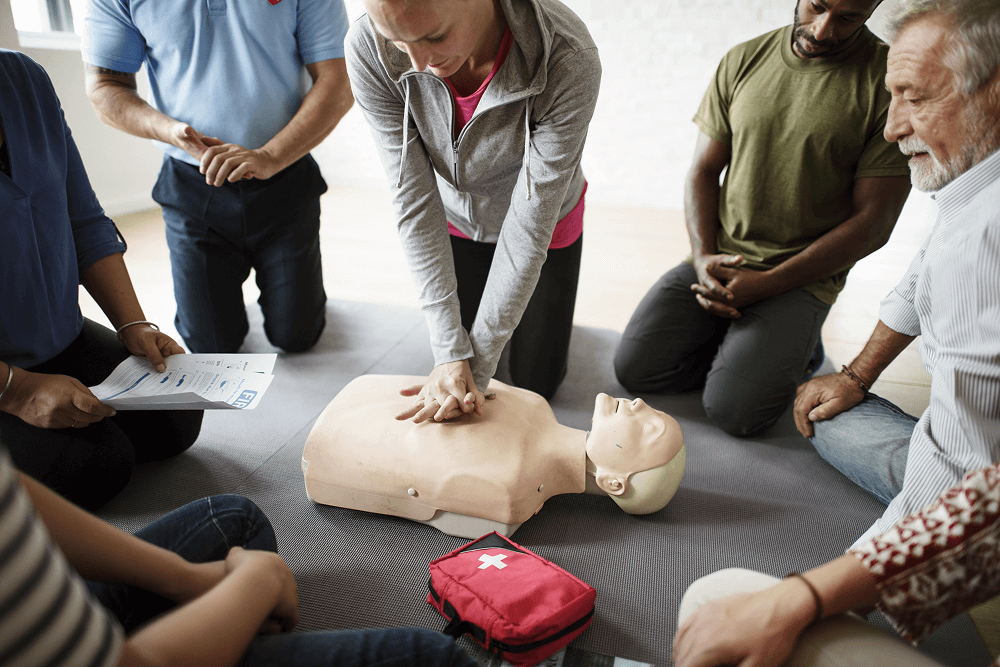
Traditional Classroom Settings: Many instructors teach in classrooms, training centers, or community facilities, providing hands-on instruction with practice mannequins.
Workplace Training:In-person safety training allows instructors to bring CPR education directly to businesses, tailoring content to specific workplace environments.
Online Component Integration: Modern CPR instruction often combines online learning modules with in-person skills practice, requiring instructors to manage blended learning approaches.
Community Outreach: Many instructors volunteer their time for community events, health fairs, and public safety initiatives, expanding access to life-saving education.
Selecting Quality CPR Instructors
When choosing CPR training, verify instructor qualifications:
Current Certification: Ensure instructors hold valid certification from recognized organizations like AHA, Red Cross, or other nationally accepted bodies.
Relevant Experience: Look for instructors with background relevant to your needs – healthcare experience for medical settings, education experience for schools, or industry experience for workplace training.
Teaching Effectiveness: Quality instructors combine technical knowledge with effective communication skills, creating engaging learning environments that promote skill retention.
Up-to-Date Training: The best instructors participate in continuing education and stay current with evolving CPR guidelines and teaching methods.
CPR instruction represents a critical link between life-saving science and practical application. Qualified instructors bring together technical expertise, teaching ability, and ongoing professional development to ensure students receive high-quality training. Whether you’re seeking CPR training for personal knowledge, workplace compliance, or professional requirements, learning from properly certified instructors ensures you receive accurate, current, and effective life-saving education. Organizations like Safety is a Mindset maintain rosters of qualified instructors who combine professional credentials with practical teaching experience, delivering training that truly prepares students to save lives when it matters most.
Comments are closed