Classes & Programs
Safety Training Classes for Crews, Staff and Supervisors
OSHA outreach, AHA CPR/AED, AVIRT active violence response and bloodborne pathogens — taught in person at your facility or assigned online, and matched to the people who actually need them.
Picking the Right Safety Training Classes
Most employers who call us are not short on topics — they are short on clarity about which safety training classes matter for which employees. A new laborer, a plant supervisor, a school receptionist and a nurse aide carry very different risks, and one generic seminar rarely fits all four.
Every class on this page is built around a specific outcome: a Department of Labor outreach card, an American Heart Association certification, an HSI-backed active violence course, or documented training under an OSHA standard. Start with the role and the hazard, then pick the class. The table below is the shortcut we use during the free needs assessment that comes with every inquiry.
Which Class Fits Which Role
A starting point, not a rulebook. Your industry, contracts and state plan may add requirements.
| If your people are… | Start with | What they leave with |
|---|---|---|
| Entry-level workers on construction or industrial sites | OSHA 10-hour outreach | Official DOL wallet card |
| Foremen, superintendents, safety coordinators | OSHA 30-hour outreach | Official DOL wallet card at the supervisory level |
| Anyone expected to respond to a medical emergency | AHA CPR, AED and first aid | Two-year AHA card, issued the same day |
| Every employee in a building open to the public | Active shooter training (AVIRT) | HSI-certified course completion |
| Leaders who own the emergency plan | Active shooter response planning | A facility-specific response plan and trained staff |
| Staff who could contact blood or body fluids | Bloodborne pathogens training | Documented training under 29 CFR 1910.1030 |
Not sure where your team lands? Describe the job and we will recommend a mix.
Three Ways to Take a Class
Skills that live in the hands — compressions, tourniquets, barricading a door — need a live instructor. Knowledge topics such as hazard communication or ergonomics often work perfectly well online. Most of our clients blend the two.
At your facility
We bring the instructor, manikins, AED trainers and bleeding-control supplies to your site anywhere in Texas, Louisiana, Oklahoma, Arkansas and New Mexico. Scenarios use your own exits, equipment and floor plan. See onsite safety training services for how site visits work.
Instructor-led classroom
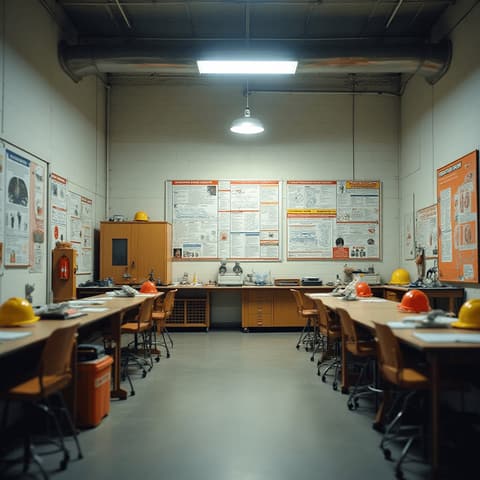
When a group needs focused classroom time away from the production floor, we run a traditional in-person class with hands-on stations and a skills check before any card is issued.
Online and self-paced
More than 50 online safety courses are available nationwide, around the clock, on any device, with a completion record for your files. They are a strong fit for onboarding, annual refreshers and teams spread across many locations.
How Booking a Class Works
-
Tell us who and what
Headcount, job roles, location and any deadline — a contract start date, an audit, a new hire class.
-
Get a recommendation
We suggest the classes that fit, flag anything that must be hands-on, and note where group pricing applies (10 or more participants).
-
Lock in dates
Pick days and shifts that suit your operation. Split sessions and early or late starts are common.
-
Train and document
Participants complete the class and skills checks; you receive rosters and card or completion details for your records.
Safety is a mindset — it's built through repetition, not read from a manual.
Safety Class Questions
Do you publish a public class calendar?
Most of our classes are scheduled around a client's group, so dates are set together. Call or send the form and we will tell you what is open for your location and headcount.
Which classes come with a card?
OSHA 10 and OSHA 30 lead to official Department of Labor outreach cards. CPR, AED and first aid classes lead to an American Heart Association certification valid for two years. AVIRT is HSI certified. Online courses provide a completion record.
Can one visit cover several classes?
Yes. A common pairing is CPR/AED in the morning and AVIRT in the afternoon, or OSHA 10 for crews while supervisors attend OSHA 30. We plan the agenda so people are not pulled off the job twice.
Do you train outside Texas?
Onsite classes routinely cover Texas and the surrounding states named above. Locations farther away are quoted on request, and online courses work anywhere in the country.
Keep Exploring
- Online course libraryBrowse every self-paced course by category.
- What is AVIRT?How active violence immediate response training works.
- OSHA 10 vs OSHA 30Choosing the right outreach card.
- Industries we serveTraining matched to your sector's hazards.
- Training FAQAnswers to common scheduling and certification questions.
Explore
All Instructor-Led Classes
- Active Shooter Training for Employees and WorkplacesActive shooter training for employees built on HSI-certified AVIRT: awareness, fast decisions, Stop the Bleed and drills in your own building. Onsite across Texas.
- CPR Certification Training for Workplaces and TeamsCPR certification training with American Heart Association cards issued the same day. Hands-on CPR, AED and first aid classes at your workplace across Texas.
- In-Person Safety Training With a Live InstructorIn-person safety training led by working first responders: hands-on CPR, Stop the Bleed, AVIRT and OSHA classes with live coaching and verified skills.
- Onsite Safety Training at Your FacilityOnsite safety training delivered at your plant, office, school or jobsite across Texas and nearby states. Site-specific CPR, OSHA, AVIRT and BBP for your crews.
- OSHA 10 Training for Construction and General Industry WorkersOSHA 10 training for construction and general industry workers, taught by an authorized outreach trainer at your site in Texas and nearby states. Official DOL card.
- OSHA 30 Training for Supervisors and Safety LeadsOSHA 30 training for foremen, superintendents and safety leads in construction or general industry. Live outreach classes at your site with official DOL cards.
- Active Shooter Response Plans Employees Can Actually FollowBuild an active shooter response plan your employees can follow: alerts, lockdown rooms, first-minute decisions, bleeding control and police arrival. Onsite help.
- Bloodborne Pathogens Training for Workplaces With Exposure RiskBloodborne pathogens training for employees with occupational exposure, built around OSHA 1910.1030. Live, interactive BBP sessions at your site or blended online.