
Western Montana
Missoula Safety Training Where Five Valleys Meet
A university town ringed by forests, Missoula balances campus life with timber, health care and a deep connection to wildland fire. Its safety needs reflect all three.
Missoula Workplaces in Fire Country
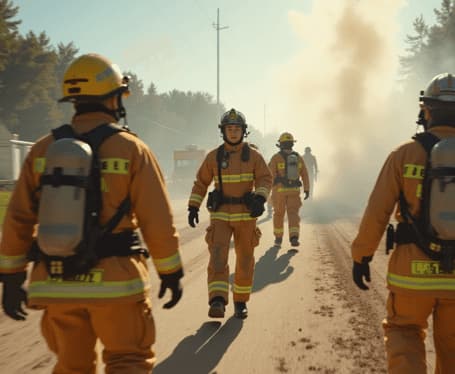
Missoula is home to the University of Montana and serves as the medical and retail hub for much of western Montana. It also has deep roots in wildland firefighting: the U.S. Forest Service runs a smokejumper base and fire research facilities here, and fire seasons shape the summer for nearly every business in the valley. Timber and wood products, though smaller than in decades past, still employ mill workers, loggers and truck drivers across the region.
Geography matters too. The city sits in a bowl where several valleys meet, so winter inversions can trap cold, stagnant air for days, and summer smoke from regional fires can settle in just as stubbornly. For outdoor workers that means two seasons of respiratory concern, not one. Missoula safety training should treat air quality as a real workplace hazard rather than an occasional nuisance.
Health care is another pillar. Missoula's hospitals and clinics draw patients from a wide rural area, and their support staff, from housekeeping to transport, need bloodborne pathogens training every year along with patient-handling and de-escalation skills. Retail, restaurants and tourism round out the economy, especially in summer, when river recreation and visitors heading toward Glacier National Park pass through town. Those seasonal workers benefit from a quick orientation and basic first aid.
Montana private employers fall under federal OSHA. Our courses reach Missoula teams online right away; instructor-led sessions in Montana are quoted individually because our only office is in East Tawakoni, Texas.
Course Picks for the Garden City
-
Respiratory protection
Respirator selection, fit and limits, for smoke days, sanding, sawmill dust and chemical work.
-
Mill and timber crews
Hand and power tool safety, machine guarding and hearing conservation for saws, planers and chippers.
-
Backcountry first aid
Crews working on forest roads or remote job sites need responders who can manage bleeding and shock.
-
Campus readiness
Active violence response with Stop the Bleed skills for faculty, residence life and event staff.
-
Heat on the fire line and beyond
Summer heat combines with smoke and steep terrain for crews in the field.
A Seasonal Calendar for Missoula Employers
-
Late winter
Refresh slip prevention and winter driving while inversion season lingers and roads stay icy.
-
Spring
Run respiratory protection and heat stress modules before fire season begins, and confirm who decides when smoke halts outdoor work.
-
Summer
Keep first aid and CPR responders on every crew. AHA certification is valid for two years, so check expiry dates.
-
Fall
Use the quieter months for supervisor development, such as the OSHA 30-hour course.
Missoula Employer FAQ
Is wildfire smoke an OSHA issue?
Federal OSHA has no smoke-specific standard, but the general duty clause and respiratory protection standard can apply. Some states have their own smoke rules; Montana employers should follow current federal guidance and local air quality alerts.
Can university departments train staff without pulling them from class schedules?
Yes. Online courses run on any device at any hour, and completion records help departments track who has finished.
Do you offer bleeding control for remote crews?
Yes. Stop the Bleed skills are part of our AVIRT course and can be delivered hands-on during a quoted onsite session.