Frequently Asked Questions
What jobs need safety training?
Jobs that require safety training include those in construction, manufacturing, healthcare, and any role involving hazardous materials or equipment. Compliance with OSHA regulations ensures a safer workplace across various industries.
Who needs safety training?
Safety training is essential for all employees, especially those in high-risk industries, as well as supervisors and management personnel responsible for workplace safety. It ensures compliance with regulations and promotes a culture of safety within the organization.
Who provides job safety training?
Job safety training is provided by specialized organizations like Safety Is A Mindset, which offers tailored programs to meet industry-specific safety needs and regulatory compliance in New Orleans.
Is safety training required?
Safety training is required to ensure compliance with OSHA regulations and to promote a safe workplace. Many industries mandate specific training to protect employees from hazards and foster a culture of safety.
What industries require safety training?
The industries that require safety training include construction, manufacturing, healthcare, hospitality, and transportation, among others. Each sector has specific safety regulations and challenges that necessitate tailored training programs to ensure compliance and protect workers.
How is safety training tailored for jobs?
Safety training is tailored for jobs by customizing programs to address the specific hazards and regulatory requirements of each industry, ensuring that employees receive relevant, hands-on training that directly applies to their work environment and challenges.
What are the consequences of lacking safety training?
The consequences of lacking safety training include increased workplace accidents, higher injury rates, potential legal liabilities, and non-compliance with regulations, which can ultimately harm employee morale and the organization's reputation.
Who certifies safety training providers?
Safety training providers are certified by various organizations, including the Occupational Safety and Health Administration (OSHA), National Safety Council (NSC), and other industry-specific accrediting bodies that ensure compliance with safety standards and regulations.
What qualifications should safety trainers have?
The qualifications safety trainers should have include relevant certifications, extensive knowledge of OSHA regulations, and practical experience in the industry. Effective communication skills and the ability to engage learners are also essential for successful training delivery.
How can employers assess training needs?
Employers can assess training needs by evaluating current skill levels, identifying gaps through performance reviews, and soliciting feedback from employees. This process ensures tailored training solutions that enhance workplace safety and compliance.
What topics are covered in safety training?
The topics covered in safety training include workplace hazards, emergency procedures, regulatory compliance, personal protective equipment (PPE), and industry-specific safety protocols, all aimed at fostering a culture of safety and ensuring employee well-being.
How often should safety training be updated?
Safety training should be updated regularly to reflect changes in regulations, industry standards, and workplace conditions. Typically, it is recommended to review and revise training programs annually or whenever significant changes occur.
What is the duration of safety training courses?
The duration of safety training courses varies based on the specific program and industry requirements. Typically, courses range from a few hours to several days, ensuring comprehensive coverage of essential safety practices and compliance standards.
Are there online options for safety training?
Online options for safety training are available through Safety Is A Mindset, offering flexible and accessible courses tailored to various industries in New Orleans, ensuring compliance with safety regulations while accommodating different learning needs.
What is the cost of safety training programs?
The cost of safety training programs varies based on the course type, duration, and industry requirements. For specific pricing details tailored to your organization's needs in New Orleans, please contact us directly.
How can employees request safety training?
Employees can request safety training by contacting their supervisor or the designated safety officer within their organization, who will facilitate the process of scheduling tailored training sessions with Safety Is A Mindset.
What role does OSHA play in training?
The role of OSHA in training is to establish and enforce safety standards that employers must follow, ensuring that workers receive proper training to recognize and mitigate workplace hazards, thereby promoting a safer work environment.
What are the benefits of safety training?
The benefits of safety training are numerous, including reduced workplace accidents, enhanced employee morale, improved regulatory compliance, and the establishment of a strong safety culture that ultimately leads to increased productivity and lower insurance costs.
How can training improve workplace safety?
Training improves workplace safety by equipping employees with essential knowledge and skills to identify hazards, follow safety protocols, and respond effectively to emergencies, ultimately fostering a culture of safety and compliance within the organization.
What is the process for safety training certification?
The process for safety training certification involves enrolling in a tailored training program, completing the required coursework, and passing an assessment to demonstrate understanding of safety protocols and compliance standards.
How do I choose a safety training provider?
Choosing a safety training provider involves evaluating their industry experience, course offerings, compliance with OSHA regulations, and the effectiveness of their training methods. Look for customized solutions that address your specific safety challenges.
What are common safety training methods?
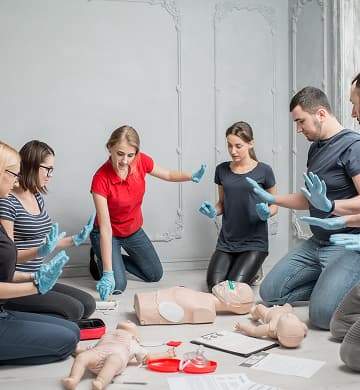
Common safety training methods include hands-on training, online courses, workshops, and simulations. These approaches engage employees actively, ensuring they understand safety protocols and can apply them effectively in real-world situations.
How is training effectiveness measured?
Training effectiveness is measured through assessments, feedback, and performance metrics. These tools evaluate knowledge retention, behavior changes, and overall impact on workplace safety and compliance, ensuring the training meets industry standards and organizational goals.
What resources are available for safety training?
Resources available for safety training include customized training programs, OSHA-compliant materials, hands-on workshops, online courses, and access to industry-specific guidelines that ensure compliance and enhance workplace safety in New Orleans.
What is the importance of refresher training?
The importance of refresher training lies in its ability to reinforce knowledge, update skills, and ensure compliance with safety regulations. It helps maintain a high standard of workplace safety, reducing risks and promoting a culture of continuous improvement.
How can training reduce workplace accidents?
Training can significantly reduce workplace accidents by equipping employees with essential safety knowledge and skills. Through comprehensive safety programs, workers learn to identify hazards, follow protocols, and respond effectively, fostering a culture of safety that minimizes risks.
What legal requirements exist for safety training?
The legal requirements for safety training include compliance with OSHA standards and relevant state regulations, which mandate that employers provide training to ensure a safe work environment and equip employees with the necessary skills to handle workplace hazards.
How can safety training be integrated into onboarding?
Integrating safety training into onboarding involves incorporating safety protocols and procedures into the new employee orientation process. This ensures that employees understand their responsibilities for maintaining a safe workplace from day one, fostering a culture of safety and compliance.
What are the best practices for safety training?
The best practices for safety training include tailoring programs to specific industry needs, utilizing hands-on learning techniques, integrating technology, and ensuring ongoing assessments to foster a culture of safety and compliance within the workforce.
How do I report safety training issues?
Reporting safety training issues involves contacting our support team directly. You can reach us via email or phone, providing details of the issue, and we will address your concerns promptly to ensure effective training outcomes.