
Cleveland, Ohio
Cleveland Workplace Safety Training for Hospitals, Mills and the Lakefront
World-known medical centers, a working steel mill on the Cuyahoga and a port on Lake Erie. Cleveland workplace safety training has to respect both the operating room and the blast furnace.
Medicine and Metal on the North Coast
Healthcare is the region's largest employer, with major academic medical centers and research institutions spread from University Circle to the suburbs. Next to that, Cleveland still makes things: steel along the river, auto parts, coatings, polymers and precision components across Cuyahoga County and beyond. The Port of Cleveland moves steel, bulk cargo and containers through docks on Lake Erie.
Healthcare: violence, exposure and lifting
Emergency departments and inpatient units see some of the highest rates of workplace violence of any setting. Staff also face bloodborne pathogen exposure and patient-handling strains. Our Violence in the Workplace course gives every employee a common language for warning signs and reporting, and the instructor-led AVIRT program adds hands-on bleeding control and response drills for security and clinical leaders.
Industry: heat, energy and air
Mills, foundries and coatings plants bring hot work, stored energy, noise and airborne contaminants. Respiratory protection, lockout/tagout and hearing conservation are core, and confined space awareness matters wherever there are tanks, pits or vessels.
Lake-effect winters
Snow bands off Lake Erie can drop heavy accumulations on the east side while the west side stays clear. Slips on lots and docks, vehicle crashes and roof snow loads all belong in winter planning.
Cleveland Roles and Suggested Training
Use this as a first draft, then refine it with a hazard assessment of your facility.
| Role | Online awareness | Hands-on add-on |
|---|---|---|
| Nurses, techs and patient transport | Bloodborne Pathogens, Back Safety | AHA CPR and AED |
| Hospital security and front desk | Violence in the Workplace | AVIRT and active shooter training |
| Mill and foundry workers | Respiratory Protection, Hearing Conservation | Site-specific lockout practice |
| Port and terminal crews | Forklift Fundamentals, Slips, Trips and Falls | Stop the Bleed |
| Maintenance electricians | Electrical Safety, Lockout/Tagout for Authorized Workers | Qualified worker program review |
A Four-Week Rollout for a Cleveland Employer
-
Week 1: Assess
A free needs assessment identifies the exposures in each department and any gaps in current records.
-
Week 2: Enroll
Employees receive their online course assignments and complete them on any device, any shift.
-
Week 3: Practice
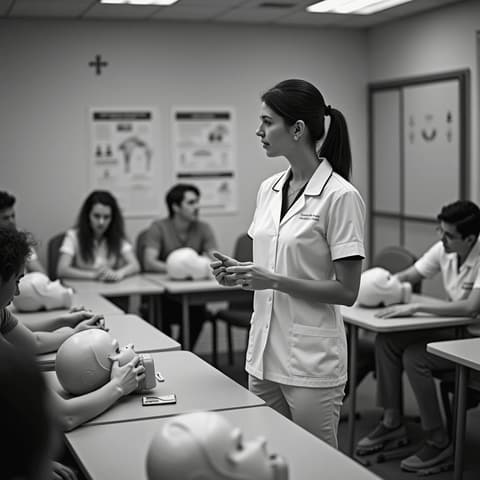
Instructor-led CPR or AVIRT sessions, quoted on request for Ohio, give teams hands-on repetition.
-
Week 4: Document
Download completion records, file them for audits and set reminders for renewals.
Federal Oversight for Northeast Ohio Businesses
Ohio has no State Plan for private industry, so federal OSHA inspects Cleveland-area private employers. Federal standards for bloodborne pathogens (1910.1030), respiratory protection (1910.134), hazardous energy control (1910.147) and noise (1910.95) drive most of the training obligations described above. Public hospitals and city agencies fall under a separate Ohio public-employee program, so confirm which applies to you.
Northeast Ohio Employers Ask
How can Cleveland hospitals reduce workplace violence?
Combine a clear reporting policy, environmental controls such as access management, de-escalation training and hands-on response drills. Every employee should know how to summon help and where to go.
What training fits steel and metalworking plants?
Hazardous energy control, respiratory protection, hearing conservation, heat stress, PPE and confined space awareness, plus crane and forklift qualifications handled on site.
How does lake-effect snow affect workplace safety?
It raises slip, vehicle and roof-load risks quickly. Plan snow removal, adjust shift travel and remind employees about safe walking on ice.