
Mid-Missouri
Safety Training in Columbia, MO for Campuses, Clinics and Labs
Home to the University of Missouri, a cluster of hospitals and a strong insurance and research sector, Columbia needs training built for people-heavy, lab-heavy workplaces.
Columbia Readiness at a Glance
Use these questions to judge whether your department or business is ready for its most likely emergencies:
- Can staff in a crowded lecture hall, stadium concourse or clinic lobby describe what they would do in the first minute of an active violence incident?
- Has every lab worker who handles solvents, acids or compressed gases completed hazard communication and chemical safety training?
- Are custodial and facilities crews in research buildings trained on bloodborne pathogens and biological waste?
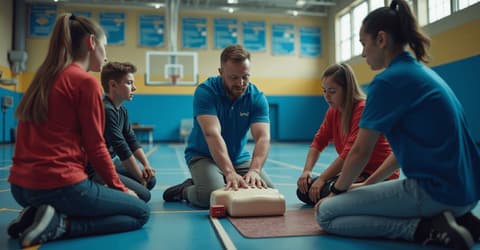
- Does each building have staff who can perform CPR and use the AED on the wall?
- Have office workers in insurance and administrative roles completed ergonomics training for long desk days?
Training Built Around a University Town
Columbia's working life follows the academic calendar more than most Missouri cities. The University of Missouri, Stephens College and Columbia College bring a steady churn of student workers and new hires every August. Teaching hospitals and outpatient clinics run around the clock. Insurance carriers and state offices fill downtown and south-side office parks, and research laboratories handle everything from agricultural science to animal health.
That mix shifts the priorities for safety training in Columbia, MO. Instead of heavy equipment, the most common needs are emergency response in crowded spaces, safe handling of laboratory chemicals and biological materials, and dependable first aid coverage across large, spread-out campuses. Game days and big events add crowd-management questions for facilities and hospitality staff.
Weather adds its own layer. Mid-Missouri summers are hot and humid enough to stress grounds crews and event staff, and spring thunderstorms regularly bring tornado warnings that send whole buildings to shelter. Winter ice on campus hills and parking structures is a steady source of slips and falls.
Missouri has no OSHA State Plan, so private employers follow federal OSHA standards. Public universities and agencies should confirm which rules apply to their employees, since federal OSHA does not cover state and local government workers in Missouri.
Our office is in East Tawakoni, Texas. Columbia learners start with online courses that open immediately, while onsite AVIRT or CPR sessions in mid-Missouri are quoted on request.
Departments and the Courses That Serve Them
| Department | First course | Why |
|---|---|---|
| Research labs | Chemical safety and compressed gas safety | Solvents, cryogens and gas cylinders are routine in academic labs. |
| Clinics and hospitals | Bloodborne pathogens | Required annually wherever occupational blood exposure is reasonably anticipated. |
| Student affairs and residence life | Higher education AVIRT | Staff are often first on scene before police or EMS arrive. |
| Insurance and office teams | Office ergonomics | Desk-related strains are the most common office injury. |
| Facilities and grounds | Ladder safety, hand and power tools | Maintenance work happens at height and with powered equipment. |
Columbia Employer Questions
Is AVIRT the same as run-hide-fight training?
It builds on it. AVIRT adds a decision-making framework and Stop the Bleed hemorrhage control, so staff can act and treat injuries in the minutes before responders arrive. Read what AVIRT covers for details.
Can student employees take the courses?
Yes. Online courses work on any device, and completion records help supervisors confirm training before a student starts a new role.
How often should CPR certification be renewed?
American Heart Association cards are valid for two years, so plan renewals on a regular cycle rather than waiting for cards to lapse.