Southeast Minnesota
Workplace Safety Training in Rochester, MN, a City Shaped by Medicine
Rochester's economy revolves around world-known medical care, and so do many of its safety risks: blood exposure, patient lifting and public-facing stress.
Four Rochester Workforces We Train
The Mayo Clinic campus draws patients from around the world, and a wide ring of employers grows up around that flow of visitors.
-
Clinical support contractors
Environmental services, linen, lab courier and maintenance staff handle sharps containers and contaminated waste without being clinicians.
-
Hotels and patient lodging
Guests are often unwell or recovering, which makes front-desk CPR and AED readiness unusually valuable.
-
Agriculture and food processing
Farms and processors in Olmsted County deal with machinery, grain handling and ammonia refrigeration.
-
Schools and public agencies
Districts and city departments want staff ready for medical emergencies and violent incidents alike.
Why Rochester Safety Training Leans Toward Care Skills
In most Minnesota cities a training plan opens with forklifts or fall protection. In Rochester it more often opens with bloodborne pathogens and CPR, because so many workers, from shuttle drivers to hotel housekeepers, come into contact with people who are medically fragile. OSHA's bloodborne pathogens standard (1910.1030) applies wherever employees can reasonably anticipate contact with blood or other potentially infectious materials, and that reaches well beyond nurses.
Patient and guest handling is the other recurring theme. Helping someone out of a wheelchair or lifting heavy linen carts strains backs every shift, so our back safety and injury prevention course is a common add-on. Workplace violence awareness rounds things out for staff who absorb the frustration of anxious families.
Beyond the medical core, Rochester sits in productive farm country, and the plants that process its crops and livestock bring classic industrial hazards: rotating machinery, slippery wash-down floors, refrigeration systems and heavy equipment on rural roads. Those employers usually start with lockout/tagout, hazard communication and the OSHA 10-hour card for line leads, then add CPR for remote sites where an ambulance may be some distance away.
Private employers here are covered by MNOSHA, Minnesota's State Plan. Online courses start immediately; hands-on CPR certification through the American Heart Association, which is valid for two years, can be delivered onsite in Rochester on a quoted basis.
Building a Rochester Training Calendar
-
Map who touches what
List roles that handle linens, waste, sharps or guests in distress. Those groups need BBP and CPR first, regardless of job title.
-
Launch online modules
Bloodborne pathogens, back safety and workplace violence courses can start the same day and fit around overnight and weekend shifts.
-
Schedule skills practice
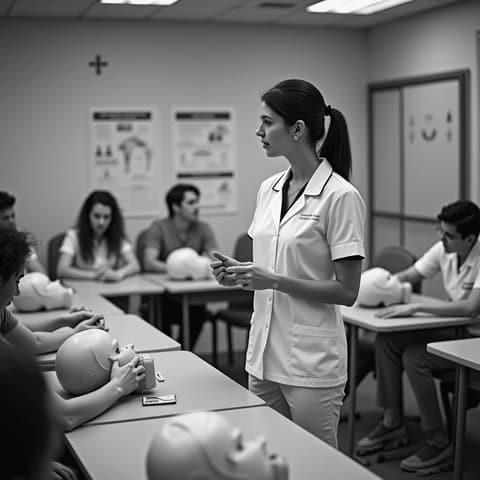
Book an onsite CPR/AED or Stop the Bleed session once enough staff have finished the knowledge portion.
-
Plan for winter
Add slip and fall training before ice season, when parking ramps and hotel entrances become the most common injury sites.
Common Questions From Rochester Employers
Our contract cleaners never treat patients. Do they still need BBP training?
If their duties could reasonably bring them into contact with blood, used sharps or regulated waste, the bloodborne pathogens standard applies. An online course covers the awareness portion; your exposure control plan covers site specifics.
How long does an AHA CPR card last?
Two years. Plan renewals before cards lapse, especially for hospitality and transport staff who see medically vulnerable guests.
Can you run a session for a hotel group with staff on every shift?
Yes. Online modules handle the knowledge portion around shift schedules, and we can quote onsite skills sessions timed for overlapping crews.