
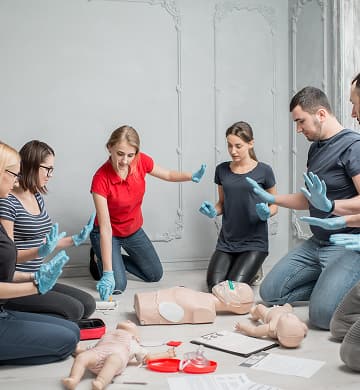
Florida
Florida Safety Training Built for Storm Season and Year-Round Heat
Hurricanes, lightning and relentless humidity shape how Florida works. Our Florida safety training prepares hotel staff, builders, port crews and healthcare teams, with online courses that start the moment you enroll.
Florida Safety Training Basics
Florida does not operate an OSHA-approved State Plan for private employers, so federal OSHA sets and enforces the workplace safety standards that apply to private businesses statewide. Construction contractors, theme parks, shipping terminals and medical practices all work from the same federal rulebook, even though their daily hazards look nothing alike.
What sets Florida apart is the environment. Few states combine a long hurricane season, near-constant heat and humidity, frequent lightning and a massive outdoor workforce. Effective workplace safety training in Florida treats weather as a core hazard, not an afterthought, and makes sure supervisors know when to stop work and how to bring people back safely.
It also has to reach a workforce that changes quickly. Seasonal hiring in tourism and agriculture, fast-moving construction crews and multilingual teams all make consistent onboarding harder. Self-paced online courses help because each employee can start on the day they are hired, finish on a phone during a break, and leave a record you can show a client, an insurer or an inspector.
Hurricane Season Readiness for Florida Employers
Hurricane season runs from June through November. Train and plan around three phases, and review the plan with your team every spring.
- Before the storm: name the people who decide when to close, how employees will be notified, and what gets secured, shut down or moved to higher ground.
- Keep an updated contact list and a way to account for every employee once the storm passes.
- Make sure workers know evacuation routes and how to use a fire extinguisher during power outages, when generators and temporary wiring raise fire risk. Our fire extinguisher course covers the basics.
- After the storm: treat cleanup as hazardous work. Downed power lines, chainsaws, unstable structures, mold and floodwater cause injuries long after the wind dies down.
- Brief cleanup crews on electrical hazards, power tool safety and personal protective equipment before they start.
- Check portable generators: they belong outdoors and away from doors and windows because of carbon monoxide.
Florida Industries and Their Training Needs
-
Tourism, hotels and attractions
Large crowds call for first aid responders, emergency procedures and violence preparedness among guest-facing staff.
-
Construction
Year-round building means fall protection, ladders, trenching awareness and heat planning for every crew.
-
Ports and logistics
Container terminals, cruise ports and distribution centers rely on forklift, dock and material-handling training.
-
Agriculture and nurseries
Field and greenhouse work brings heat stress, chemical exposure and equipment hazards.
-
Healthcare and senior care
Bloodborne pathogens, patient handling and CPR certification keep caregivers and residents safer.
-
Aerospace and advanced manufacturing
Specialty gases, electrical systems and precision equipment require strong hazard communication and lockout programs.
Heat and Lightning: Florida’s Daily Hazards
Heat illness is a real risk for roofers, landscapers, utility crews and theme park staff for much of the year, and humidity makes it harder for the body to cool itself. Our heat stress course helps workers spot the early signs in themselves and others, and gives supervisors a plan for water, rest and shade.
Florida also sees more lightning than most of the country, especially during summer afternoon storms. Outdoor employers should set a clear rule for when work stops, where crews shelter, and how long they wait after the last thunder before returning. Write it down and train on it, so no one has to make the call alone.
Medical Emergencies and Violence in Busy Public Spaces
Hotels, resorts, stadiums, malls and attractions put employees in front of large crowds every day. When a guest collapses, falls from a height or is hurt in a violent incident, the first people on scene are usually front-desk agents, ride operators, servers and security staff, not paramedics. What they do in the first few minutes can decide the outcome.
That is why many Florida hospitality and retail employers pair online awareness courses with in-person skills training. Our active shooter training for employees and the four-hour, HSI-certified AVIRT course teach staff to recognize warning signs, choose a course of action quickly and use tourniquets, wound packing and direct pressure to control bleeding. Add AED practice and you have a team that can bridge the gap until EMS arrives, whether the emergency is a cardiac arrest by the pool or a crisis in a crowded lobby.
Florida Employer FAQs
Does Florida have its own OSHA program?
Not for private employers. Federal OSHA covers private-sector workplaces in Florida.
Can you teach onsite in Florida?
Yes, by request. Our instructors are based in Texas, so Florida onsite sessions are quoted individually. Online courses are available immediately for any number of employees.
Which Florida cities do you serve?
Employers across the state, including Miami, Orlando, Tampa and Jacksonville.
What is the best first course for a Florida construction crew?
Most crews start with OSHA 10 Construction, then add heat stress and fall arrest training. Supervisors often move on to OSHA 30.
Do you offer CPR certification for Florida teams?
Yes. Our American Heart Association CPR, AED and first aid courses provide a two-year certification.
Related Training and Southern States
Cities