
Oklahoma
Oklahoma Safety Training Delivered at Your Site
Oklahoma sits inside our regular onsite service region. Our instructors drive up from northeast Texas to train crews in their own shops, yards and offices, with online courses filling in between visits.
Close to Home, Ready to Travel
Our headquarters on Lake Tawakoni is only a few hours from the Red River, which makes Oklahoma safety training a natural part of our week. Instructors bring the manikins, AED trainers, tourniquets and course materials to your location, so your team trains on the same floor where it works and can practice responding in its own hallways and break rooms.
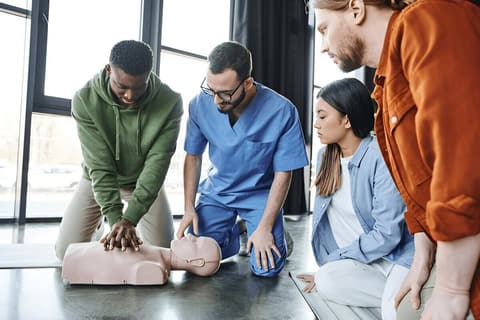
Most Oklahoma clients use a blended plan. Hands-on topics such as American Heart Association CPR, AED and first aid, OSHA Outreach classes and active violence response are taught in person. Annual refreshers and awareness topics run through our online library, where every employee can finish at their own pace and leave a completion record behind.
Every engagement begins with a complimentary safety needs assessment, and groups of 10 or more qualify for discounted pricing.
Who Enforces Safety Rules in Oklahoma
| Employer type | Agency |
|---|---|
| Private businesses | Federal OSHA, through its Oklahoma City area office |
| State agencies, counties, cities and schools | Oklahoma Department of Labor public employer program |
| Mines and quarries | Federal Mine Safety and Health Administration (MSHA) |
Oklahoma has no OSHA-approved State Plan for private employers. Confirm public-sector obligations with the Oklahoma Department of Labor.
Training for Oklahoma's Working Industries
-
Oil and natural gas
Drilling, pipeline and midstream crews from the Anadarko Basin to the SCOOP and STACK plays need emergency response skills far from town.
-
Aerospace and maintenance
Large aviation maintenance operations in Oklahoma City and Tulsa involve fall hazards, chemicals, noise and confined spaces.
-
Manufacturing
Tire, equipment and metal fabrication plants rely on lockout/tagout, machine guarding and forklift safety.
-
Agriculture and ranching
Cattle, wheat and feed operations combine animals, machinery and long hours in the sun.
-
Power and utilities
Line crews and wind farm technicians work at height around energized equipment.
-
Schools and public agencies
Districts and municipalities need CPR responders and a plan for violent intruders.
Tornado Alley and Oklahoma Heat
Oklahoma is at the heart of Tornado Alley. Every workplace, from a Norman office to a rural compressor station, should know where people shelter, who calls the all-clear and how to account for every person afterward. Large metal buildings and portable offices offer little protection, so plans need specific, tested shelter locations. After a storm, debris, downed power lines and damaged structures can injure more people than the storm itself.
Summers bring long runs of triple-digit heat and high humidity. Roofers, lease operators, highway crews and ranch hands are all at risk of heat illness, especially in the first days of hot weather before their bodies acclimatize. Our online heat stress course teaches the warning signs and the water-rest-shade routine. Winter ice storms round out the calendar, bringing slick roads, falling limbs and power outages.
What an Onsite Day Looks Like
-
Arrival and setup
The instructor arrives early, sets up equipment in your training room or shop and confirms the roster.
-
Instruction tied to your site
Examples reference your equipment, layout and the hazards your crew actually sees.
-
Hands-on practice
Learners practice compressions, AED use, tourniquets and wound packing with coaching until they get it right.
-
Cards and records
AHA CPR cards are issued the same day, and completion records are provided for your files.
Building a Program for Oklahoma Field Crews
Field operations across western and central Oklahoma share a pattern: small crews, long drives, heavy equipment and job sites that change week to week. A crew of four on a lease road may be the only people for miles, which means each of them needs to be able to recognize a serious injury, control bleeding and start CPR without waiting for a supervisor.
We recommend starting with hands-on first aid, CPR and Stop the Bleed for every field employee, then adding online courses on hand and power tool safety, fire extinguishers, driver safety and heat stress. Supervisors benefit from the OSHA 30 course so they can spot hazards in a new location quickly and run effective tailgate meetings.
Shop and office staff in Oklahoma City and Tulsa are not an afterthought. Sudden cardiac arrest, falls and workplace violence happen in office buildings too, and an AED on the wall is only useful if people nearby know how to use it.
Oklahoma Training FAQs
Do you really travel to Oklahoma for onsite training?
Yes. Oklahoma is one of the surrounding states we serve with instructor-led training, including Oklahoma City, Tulsa and Broken Arrow.
Can you teach OSHA 10 at our yard?
What does AVIRT add over a standard active shooter video?
AVIRT is about four hours of HSI-certified, hands-on training that combines situational awareness, a decision framework, Stop the Bleed skills and scenario drills. See how it compares.
Is tornado preparedness included in your courses?
Severe weather planning is covered in our emergency and fire preparedness course, and instructors can tailor drills to your building during an onsite visit.
Cities